Chișinău is a city you underestimate until you get there. It is greener than you expect, more compact than it looks on the map, and structured into sectors that genuinely have different personalities. Where you sleep visibly changes how you perceive it — and, unlike other capitals, the difference here is not between a "good area" and a "bad area", but between different rhythms.
We are not giving you hotel prices: they change from season to season and from year to year. We tell you how the areas relate to one another and what staying in each actually means.
How the city is divided
Chișinău has five sectors: Centru, Botanica, Rîșcani, Buiucani and Ciocana. In practice, for a visitor the first four matter, plus the Telecentru area, which administratively belongs to Centru but feels like a separate neighbourhood.
The city's axis is Ștefan cel Mare și Sfânt boulevard. Almost everything you want to see on a first visit is on it or a few minutes' walk from it.
Chișinău International Airport is about 15 km from the centre, to the south-east. That is close, but morning traffic can turn the journey into an unpleasant surprise, particularly from the north of the city. Details on how to get into the city are in the transport guide.
Centru — for a first visit, no argument
If you have two or three nights and you want to see the city, stay in Centru. It is not a creative choice, but it is the correct one.
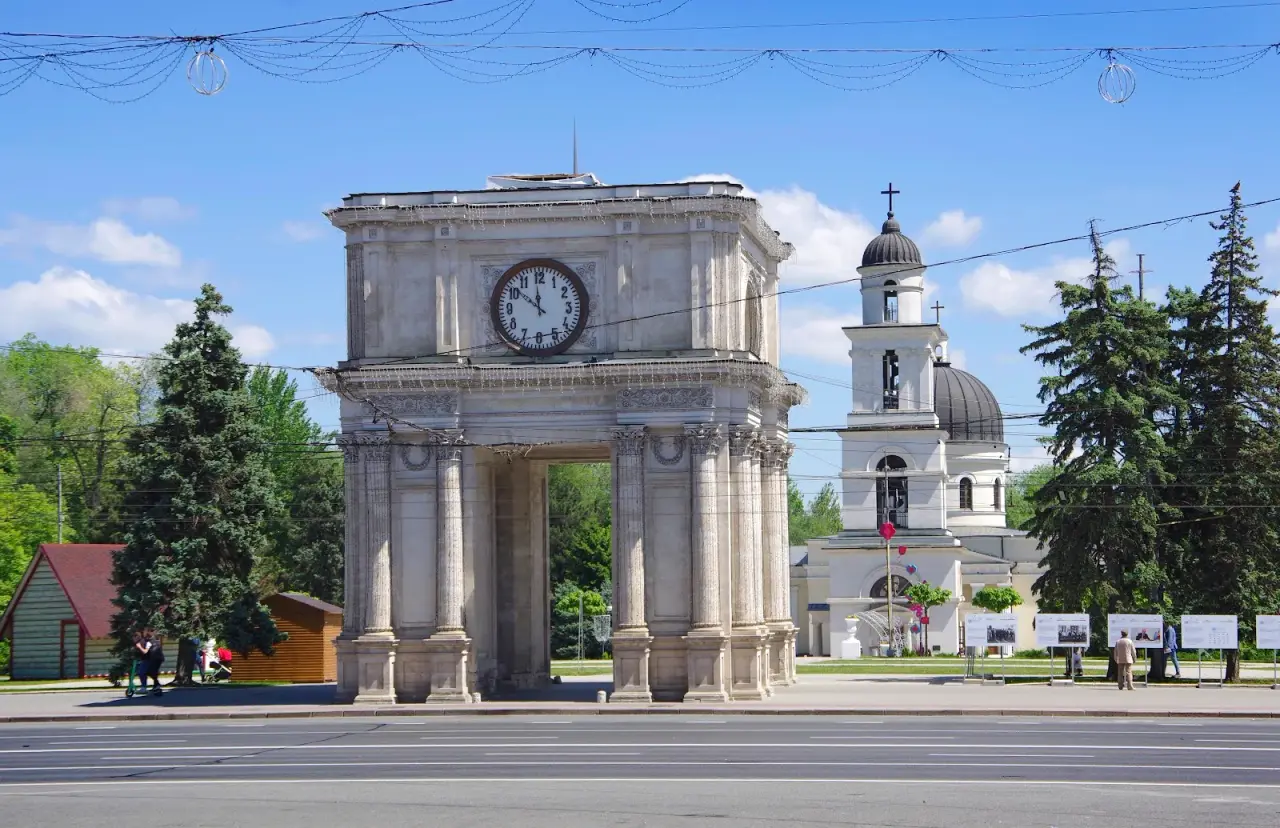
What you have on your doorstep: Ștefan cel Mare boulevard, Ștefan cel Mare Public Garden (the central park, with the Alley of Classics), the Cathedral of the Nativity and the Triumphal Arch, Great National Assembly Square, the national museums, most of the theatres. All of it on foot.
How it feels: a mix of interwar Romanian architecture, massive Soviet buildings and recent glass, on streets lined with lime and chestnut trees. In the evening, the area around Eugen Doga street and the boulevard has the highest concentration of terraces and bars. This is also the best concentration of restaurants in the country.
The trade-off: it is the most expensive area, relative to the rest of the city, and the noisiest at weekends. If you are a light sleeper, ask for a room facing the courtyard, not the boulevard.
Who it suits: a first visit, a short stay, travel without a car, anyone coming for an event in the centre.
Botanica — green, quiet, more affordable
Botanica is the sector in the south of the city and it is probably the best balance of comfort and price for anyone staying more than three nights.
What you have on your doorstep: the National Botanical Garden — one of the largest in the region, with glasshouses, a rose garden and paths on which you can easily lose two hours. Valea Trandafirilor Park, with a lake and running paths. Broad residential districts, with plenty of greenery.
How it feels: more orderly and quieter than Centru. Well-kept Soviet blocks, inner courtyards with large trees, neighbourhood markets. In the evening the quiet is real quiet, not "city quiet".
The trade-off: you are 10–20 minutes from the centre by trolleybus or taxi, depending on traffic. You do not have nightlife on the doorstep, and the restaurant offering is more local than destination.
The bonus: it is the closest of all the residential areas to the airport — useful if you have an early flight.
Who it suits: families, long stays, the diaspora coming home, anyone who wants space and greenery and does not mind a 15-minute journey.
Rîșcani — developing, good value for money
Rîșcani is the sector in the north-east of the city, beyond the river Bâc, and it is the area where the most visible building has taken place in recent years.
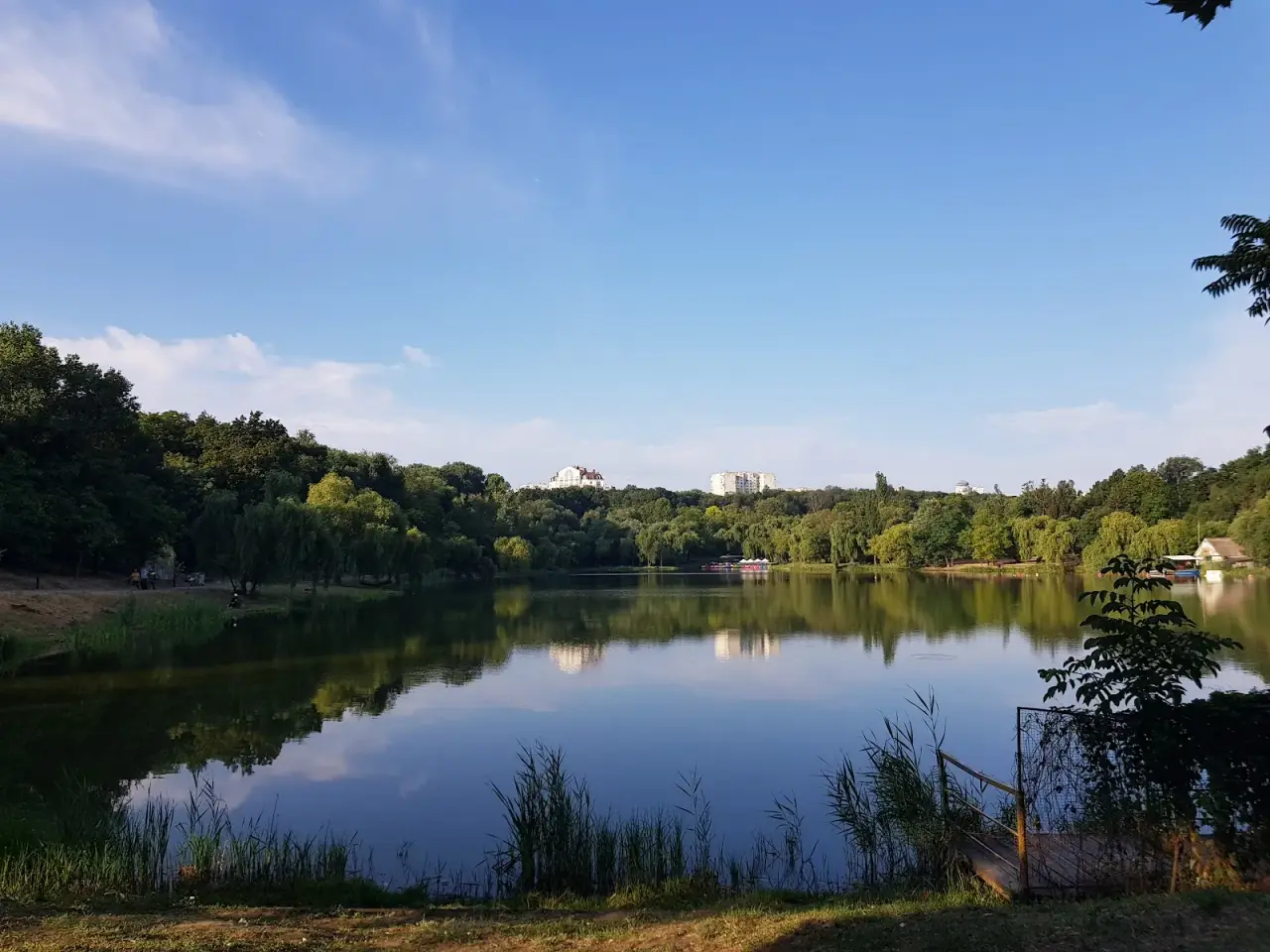
What you have on your doorstep: "La Izvor" Park, with lakes and paths — one of the largest green spaces in the city. Zimbru Stadium. New residential complexes, with modern flats to rent.
How it feels: full of contrasts. Old blocks next to new construction, streets being renovated, an area that is obviously changing. It does not have the charm of Centru, but it has new flats at prices below those in the centre.
The trade-off: it is not an area to walk around for pleasure. It is a good base, not a destination.
Who it suits: anyone arriving by car, anyone looking for a modern flat at a reasonable price, work stays.
Buiucani and Telecentru — the everyday city
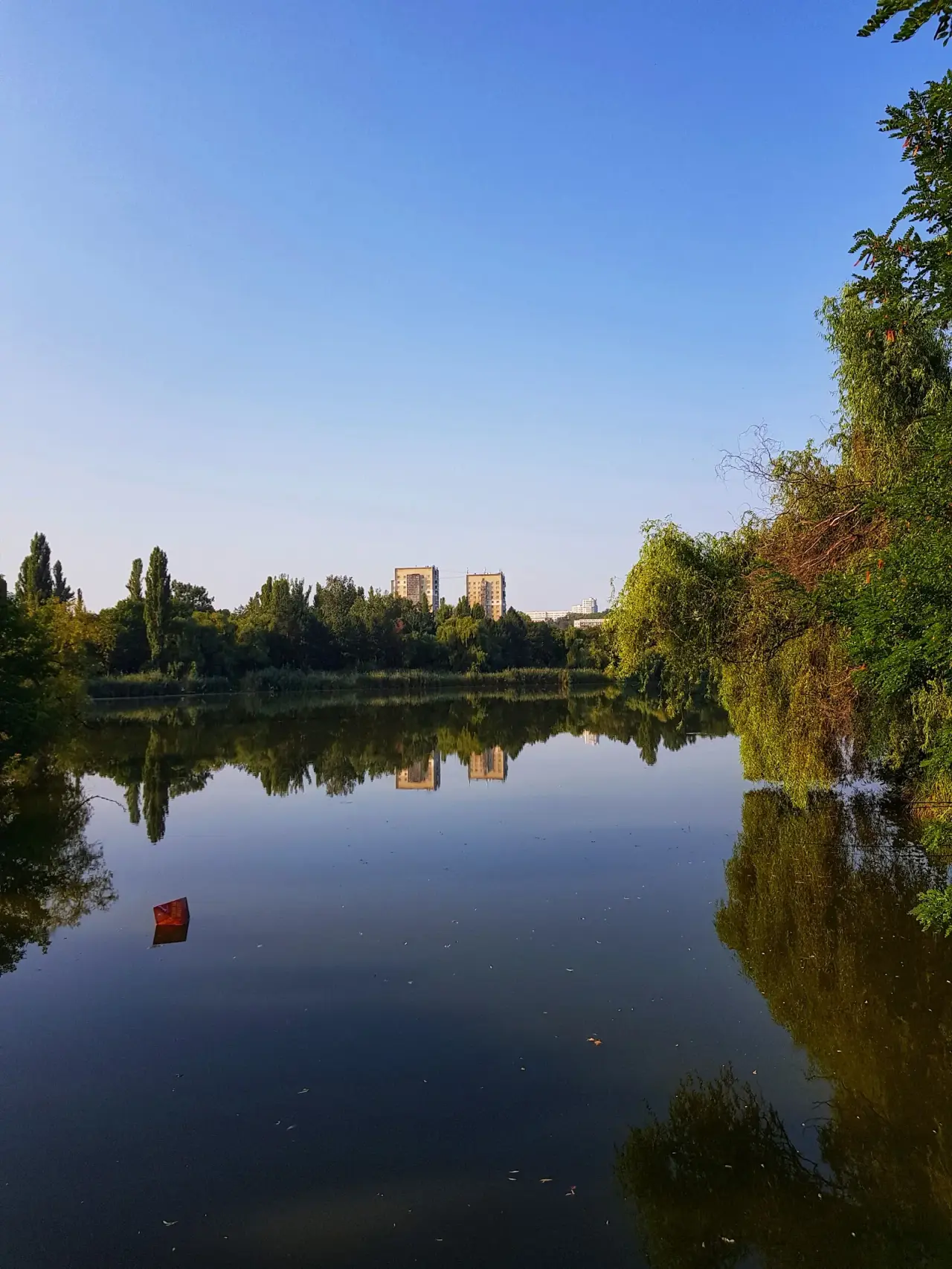
Buiucani is the western sector, immediately next to Centru. The part towards Ștefan cel Mare boulevard is effectively an extension of the centre: a few minutes' walk away, but with lower prices and less noise. You have the Chișinău Circus (the building is abandoned, but visually striking), Alunelul Park and quiet residential streets. It is the intelligent compromise between "in the centre" and "not in the centre".
Telecentru is the hilly area south-west of the centre, administratively part of the Centru sector. Narrow streets, individual houses, a lot of greenery, serious gradients. It is the least urban-feeling part close to the centre and one of the most pleasant to walk. On the other hand it has the least tourist infrastructure — few hotels, less frequent public transport.
Who it suits: Buiucani for anyone who wants the centre without the centre's price; Telecentru for anyone staying longer who wants the quiet of an old neighbourhood.
How to choose, in brief
- Two or three nights, first time in Moldova: Centru. Do not overthink it.
- A week or more, with family: Botanica.
- Coming by car and taking day trips: Rîșcani or Botanica, where parking is easier.
- Want the centre, but cheaper: Buiucani, the part towards the boulevard.
- Very early flight: Botanica, you are closest to the airport.
What matters more than the district
Parking. In Centru it is complicated and rarely included. If you are renting a car, ask explicitly before booking.
The lift and the floor. Many residential buildings date from the Soviet period, with small lifts or none at all below the fifth floor. If you have heavy luggage, ask.
Hot water and heating. Chișinău has district heating in many neighbourhoods, with scheduled shutdown periods in summer. It is not a major problem, but it is worth asking about if you come in July or August.
What you want to do outside the city. If your plan is made up of wineries and monasteries, your position in the city matters less than how you leave it in the morning.
Once you have chosen the area, the rest is simple — see the accommodation options and, if you also want to travel outside Chișinău, tours and excursions almost all leave from the centre. For context on what there is to see in the city, the Chișinău guide goes into detail.