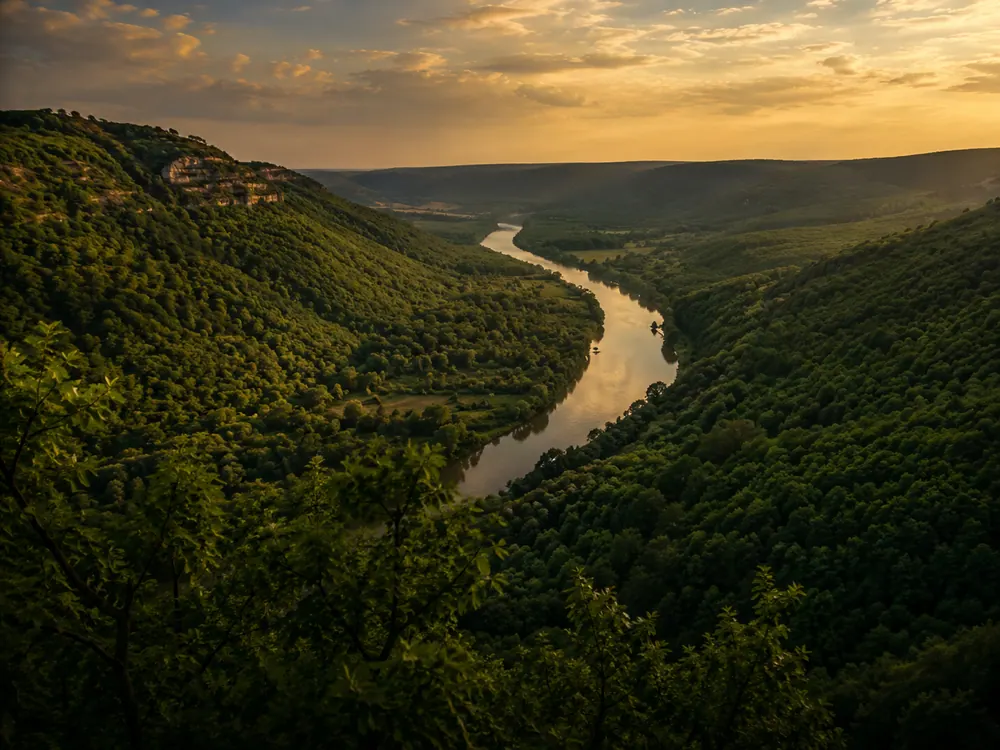
Wildlife and protected areas
Small and heavily farmed as it is, Moldova still holds beech forest, floodplains along the Prut and the Dniester and lakes full of birds — protected as reserves and as wetlands of international importance.
The Republic of Moldova has dozens of protected natural areas of various categories, five of them scientific reserves — the strictest level of protection. They guard what is left of the country’s natural forest and floodplain, in a landscape otherwise given over to vineyards and farmland.
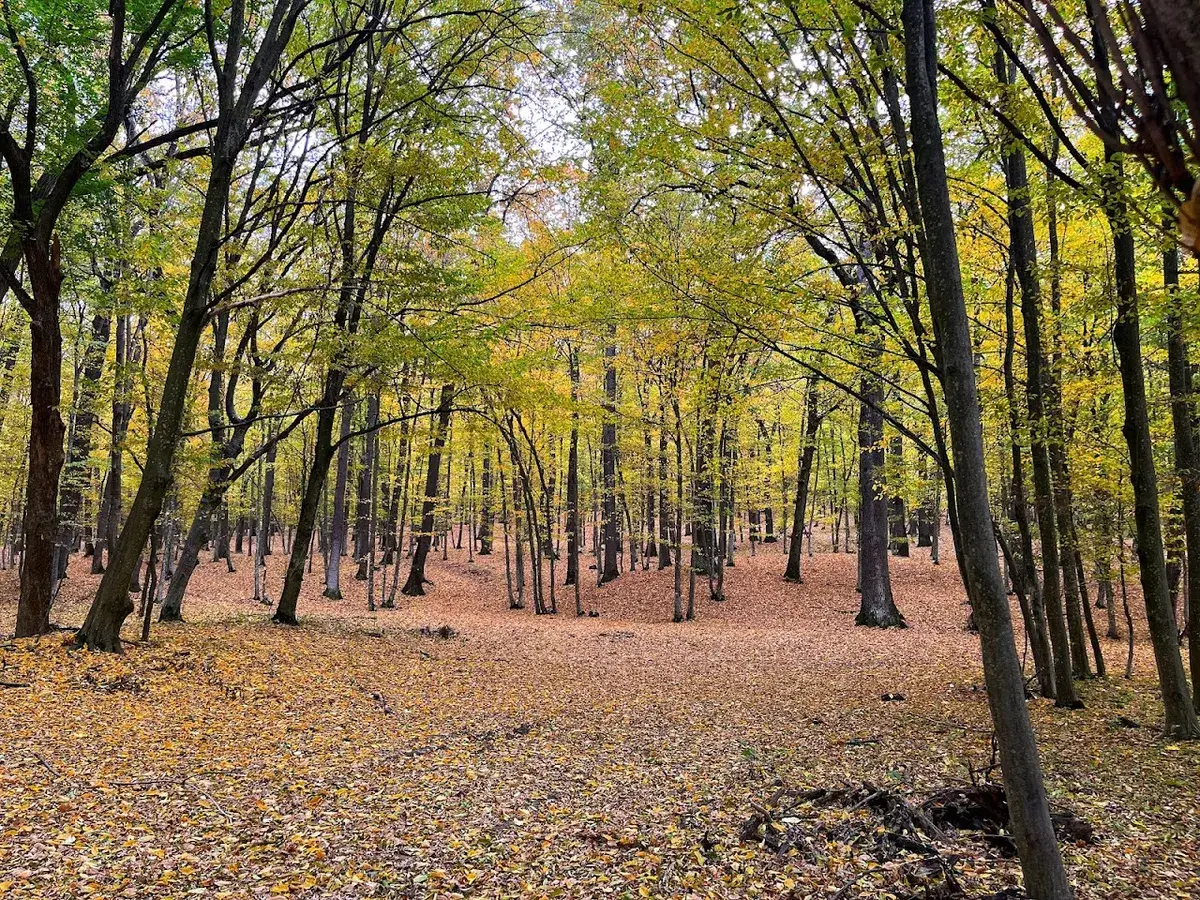
Codru
since 1971 · the Central CodriThe country’s oldest scientific reserve, in the heart of the Codri, with beech and sessile oak woods. It holds close to 1,000 plant species — about half of Moldova’s flora.
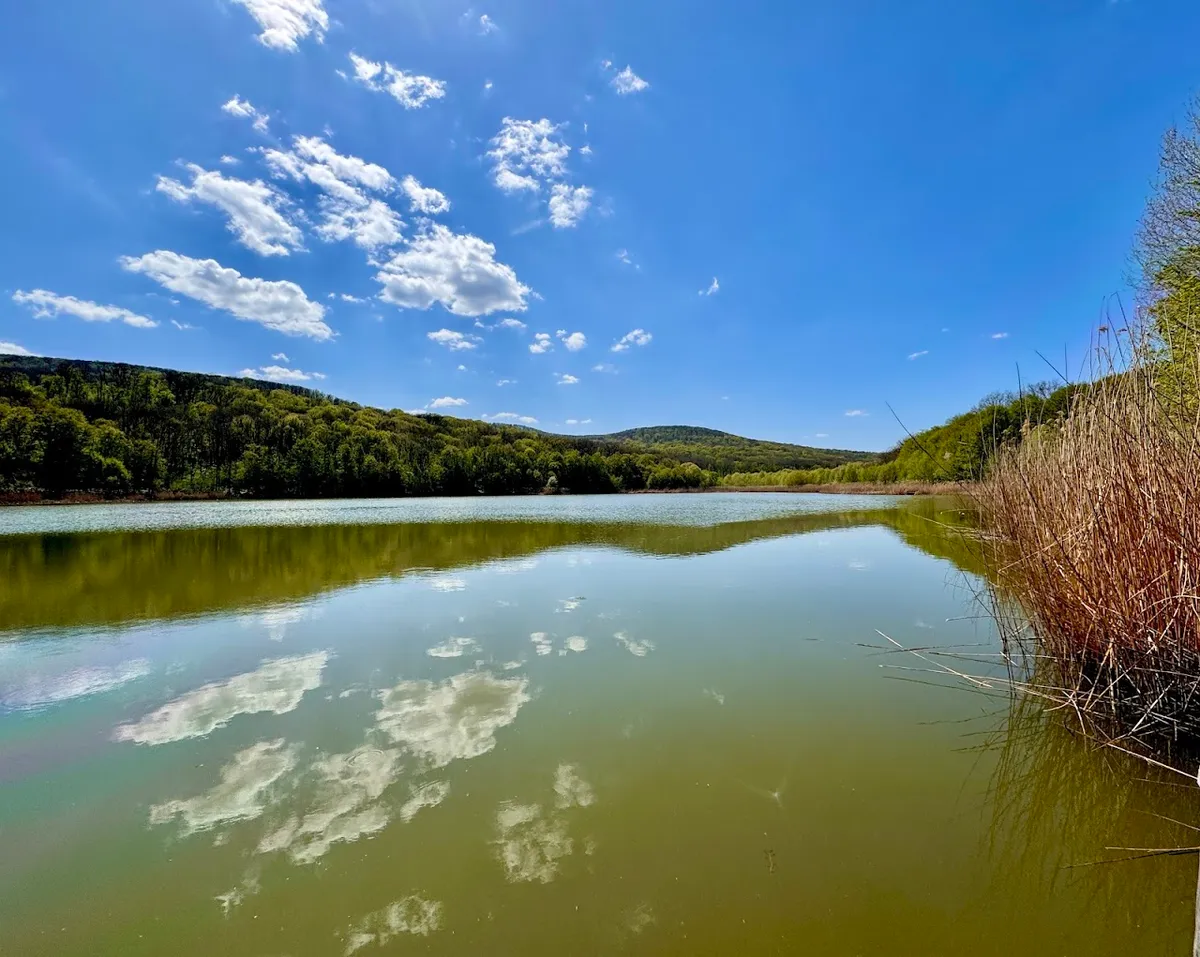
Plaiul Fagului
since 1992 · Ungheni districtProtects one of the finest beech forests in the country, near Rădenii Vechi, with springs and hilly ground.
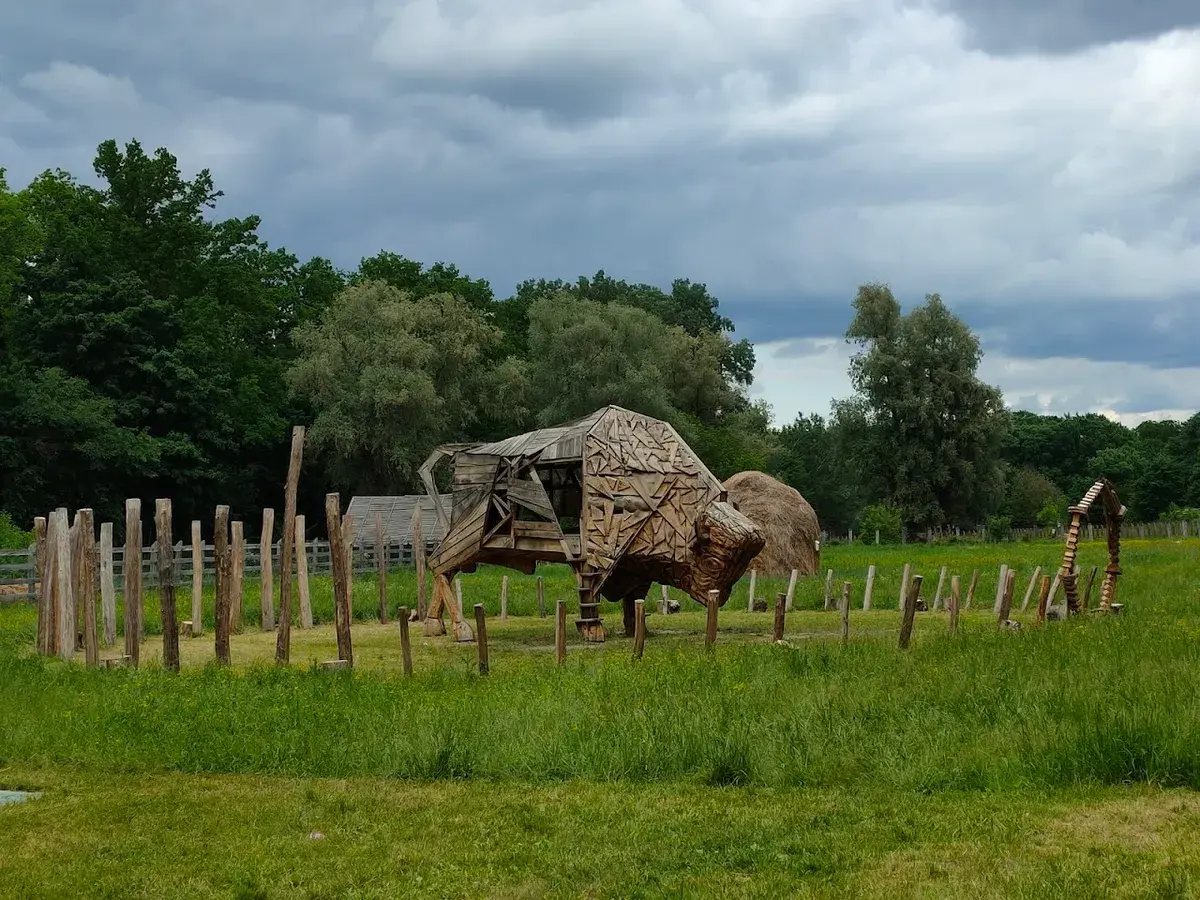
Pădurea Domnească
since 1993 · the Prut floodplainFloodplain forest in the north of the country, in Glodeni and Fălești districts, known for its heron colonies and for black storks, a rare species.
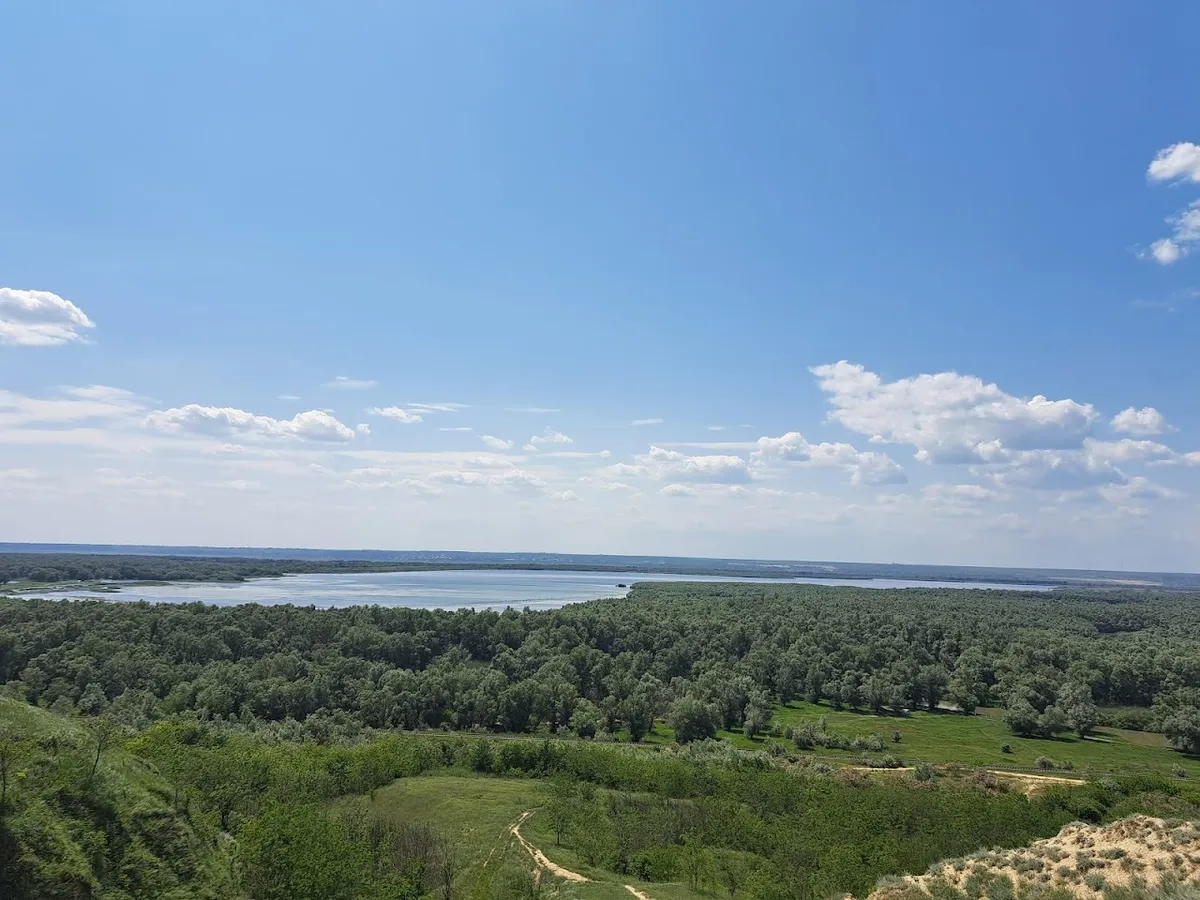
Prutul de Jos
since 1991 · Lake BeleuIn the south-west, around Lake Beleu, a haven for waterbirds: more than 160 bird species have been recorded here.
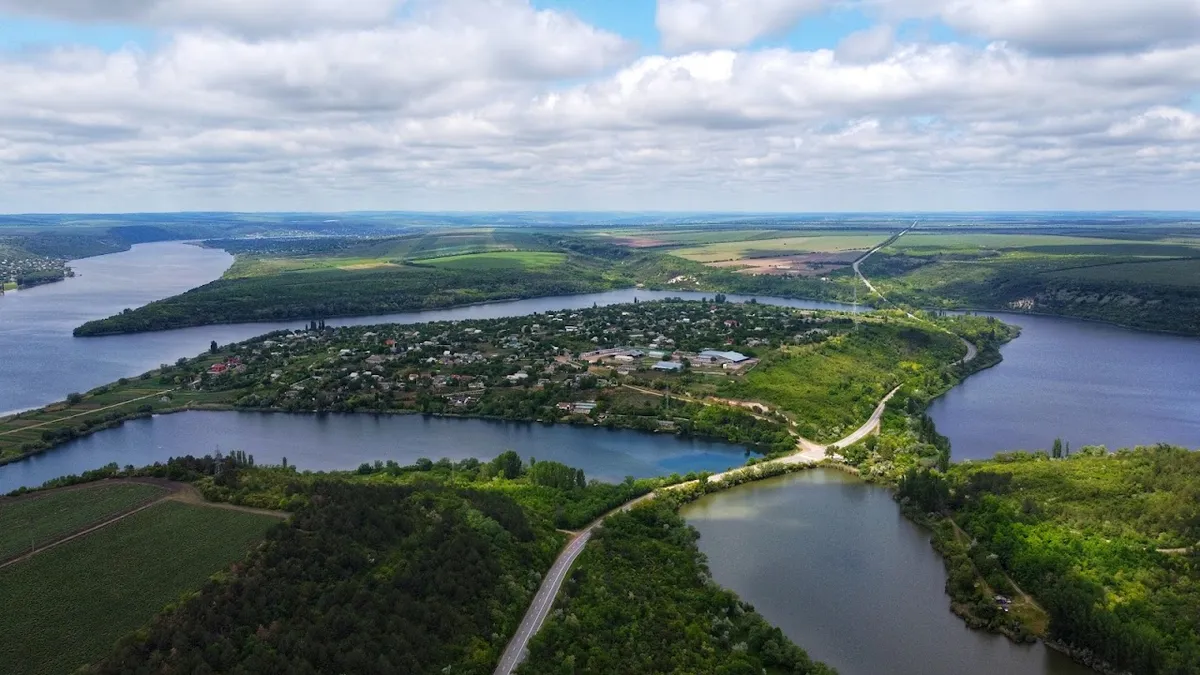
Iagorlîc
since 1988 · on the DniesterA reserve centred on aquatic ecosystems, on the bank of the Dniester, with rich marsh and shoreline life.
Wetlands of international importance
Three Moldovan wetlands are protected under the Ramsar Convention, the international treaty for conserving marshes, lakes and floodplains — essential habitat for migrating birds.
Lacurile Prutului de Jos
Around Lake Beleu, in the south-west — the country’s best-known wetland.
Nistrul de Jos
In Căușeni and Ștefan Vodă districts, on the lower course of the Dniester.
Unguri-Holoșnița
In the north, in Ocnița, Dondușeni and Soroca districts, on the bank of the Dniester.
What lives here
For such a small territory, the diversity is surprising. The Codru reserve holds close to a thousand plant species, half the country’s flora — from beech and sessile oak to wild orchids. Along the Prut and Dniester floodplains, Lake Beleu and the wetlands shelter hundreds of bird species, many of them passing through between Europe and Africa.
Rare protected species live here too: the black stork, which nests in Pădurea Domnească, otter and European mink along the water’s edge, alongside the fish and amphibians of the marshes. For wildlife watching, early morning and the migration periods in spring and autumn are the best times.
Note: protected areas have special rules for visitors. Some can only be walked on marked trails or with a guide. Check before you go, and respect the conservation rules.
Where to stay in Moldova — compare and book
Hotels, apartments and guesthouses on one map, with prices compared across Booking, Airbnb and other platforms.
Map provided by Stay22. Bookings are completed on the partner platforms.
Frequently asked questions
Questions about Moldova’s protected nature
How many scientific reserves does Moldova have?
Five: Codru, Plaiul Fagului, Pădurea Domnească, Prutul de Jos and Iagorlîc. They carry the strictest protection in the country.
Which is the oldest reserve in Moldova?
The Codru reserve, established in 1971, in the heart of the Central Codri, with beech and sessile oak forest.
Where can I watch wild birds?
Around Lake Beleu (the Prutul de Jos reserve) and in the Ramsar wetlands, above all during the spring and autumn migrations.
Which rare species live in Moldova?
The black stork, otter, European mink and many waterbird species, alongside a rich flora in the beech forests.
Get the trip ready
Where to stay
Real hotels and guesthouses, with prices compared on the map across Booking, Airbnb and other platforms.
SeeReady-made itineraries
Day-by-day routes, with real driving distances and the route opening straight into Google Maps.
SeeGetting there from Romania
Plane, coach, train or car — real journey times, border crossings and the documents you need.
SeeDiscover Moldova’s countryside
Gorges, beech forest and river banks — where the country breathes.