Stânga Nistrului (Transnistria)
Administrative seat: Tiraspol
A region on the left bank of the Dniester with special status, de facto under a separatist administration not recognised internationally. Visiting is possible, but requires prior information from official sources. The de facto seat is at Tiraspol.
The Transnistrian region, also known as the Left Bank of the Dniester, is a region in the east of the Republic of Moldova which, de jure, forms part of Moldovan territory, but which, de facto, lies outside the control of the constitutional authorities, being administered by a self-proclaimed separatist structure that is not recognised internationally, with its administrative centre at Tiraspol. Its status remains an unresolved issue, addressed within various negotiations and international formats.
Geography
The region forms a narrow strip of territory situated for the most part on the left (eastern) bank of the Dniester river, bordering Ukraine to the east along a long stretch of frontier. It also includes some settlements on the right bank, among them the town of Bender (Tighina). The relief is a plain, part of the plateau of eastern Moldova and of the steppes near the Dniester, the river playing an essential role both geographically and economically.
Population and ethnic groups
At the 2004 census (organised by the local administration), the region had around 555,000 inhabitants. The ethnic composition is balanced between three main communities: Moldovans (about 32%), Russians (over 30%) and Ukrainians (almost 29%), alongside Bulgarians and other nationalities, which gives the region a pronounced multi-ethnic character, reflected in its cultural and linguistic life.
Towns and economy
The main towns are Tiraspol, Bender (Tighina) and Rîbnița. The economy is based on industry, the region concentrating an important share of the industrial capacity inherited from the Soviet period: the metallurgical works at Rîbnița and the thermal power plant at Cuciurgan are among the largest enterprises, with a significant role in the production of metals, energy and light industry goods.
History
Tensions escalated at the beginning of the 1990s, in the context of the break-up of the USSR. On 2 September 1990 a separatist republic was unilaterally proclaimed, and in 1992 an armed conflict broke out which left over a thousand victims. Since then a ceasefire has held, with Russian troops present in the region, and the situation remains unsettled, being monitored within international negotiation formats.
What the area is known for
Main towns and villages
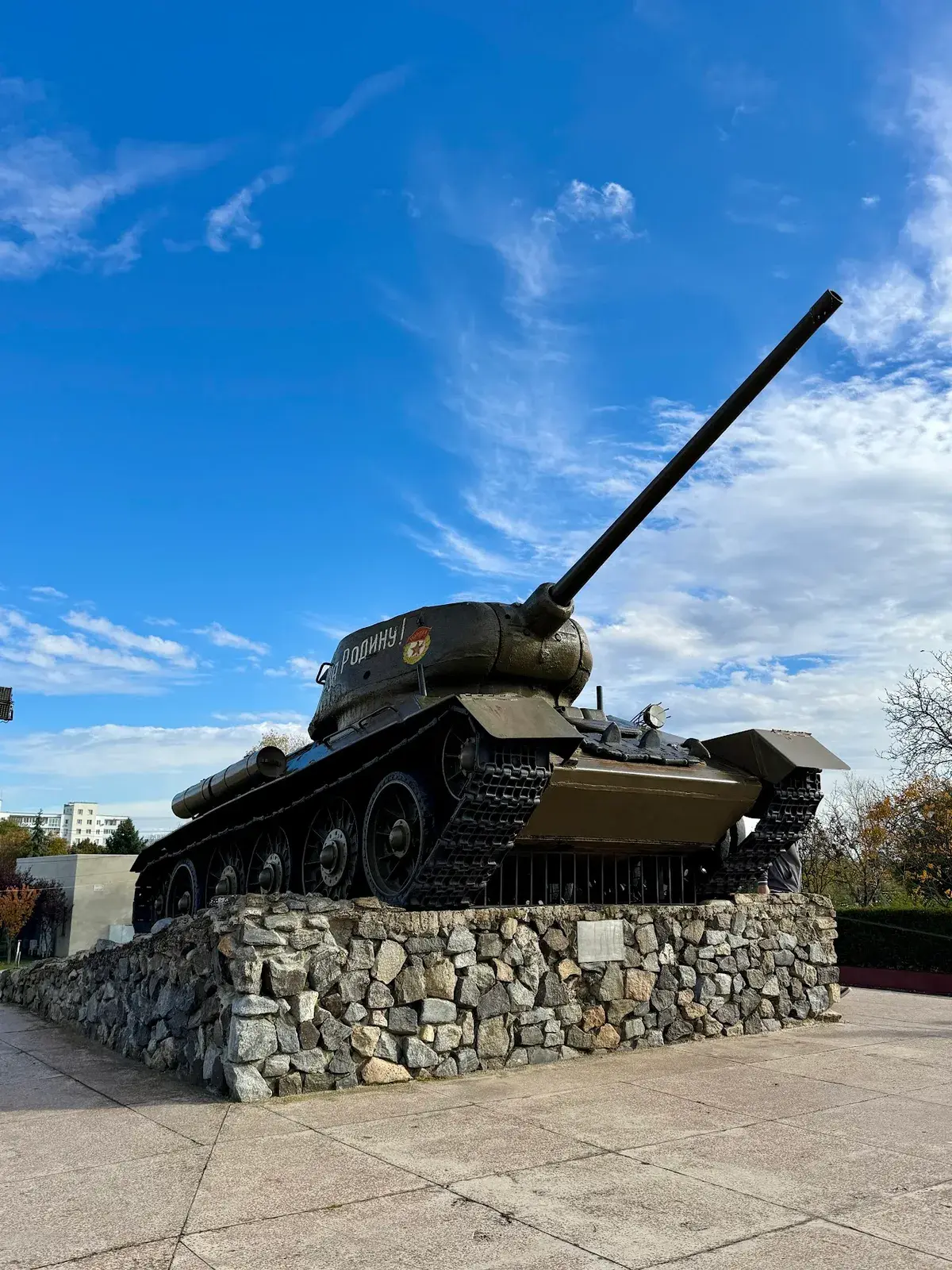
Tiraspol
seatThe largest city on the left bank of the Dniester and the de facto centre of the Transnistrian region. A visit requires checking official sources in advance.
More to see in the area
Key facts
- Type
- Region with special status
- Region
- Left bank of the Dniester
- Administrative seat
- Tiraspol
Detailed statistics (population, area) are updated from official sources (the National Bureau of Statistics).
What to find in Stânga Nistrului (Transnistria)
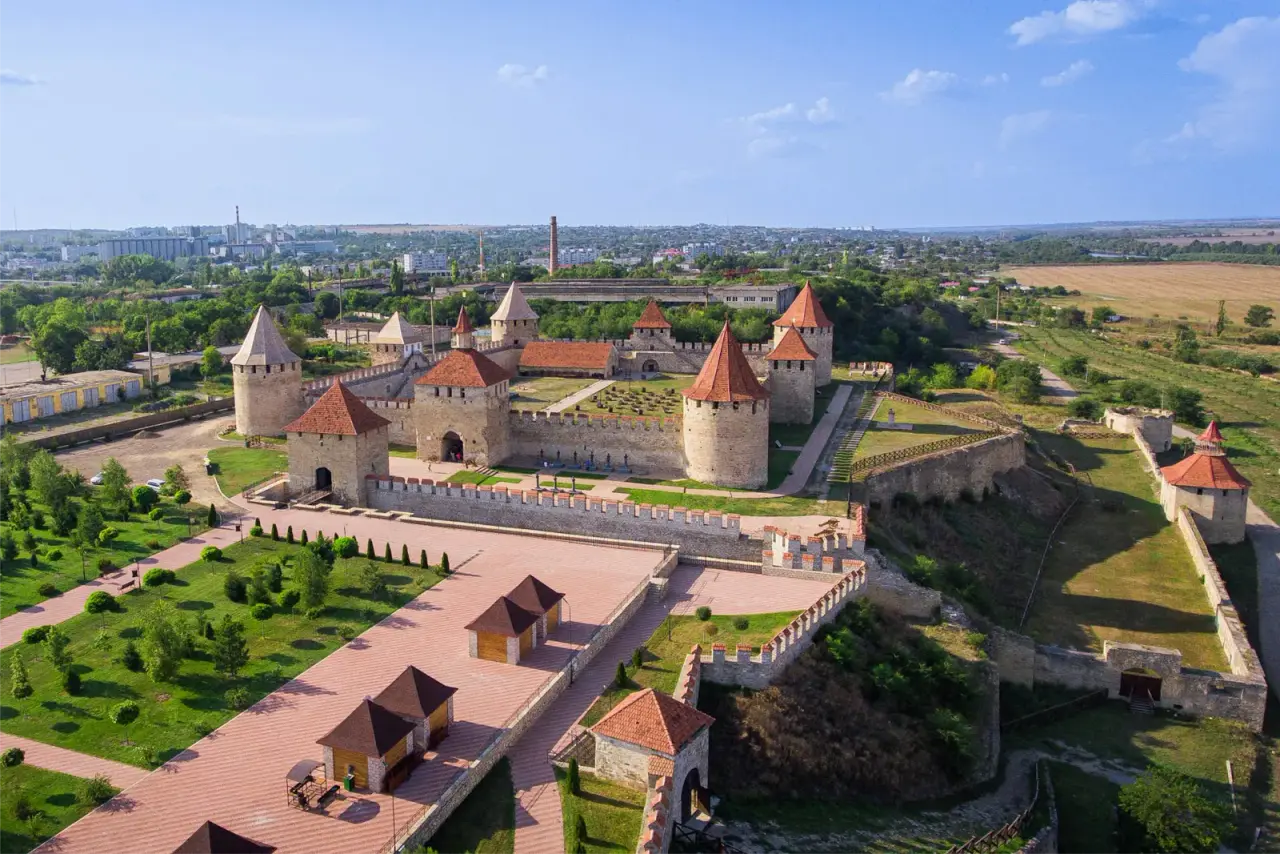
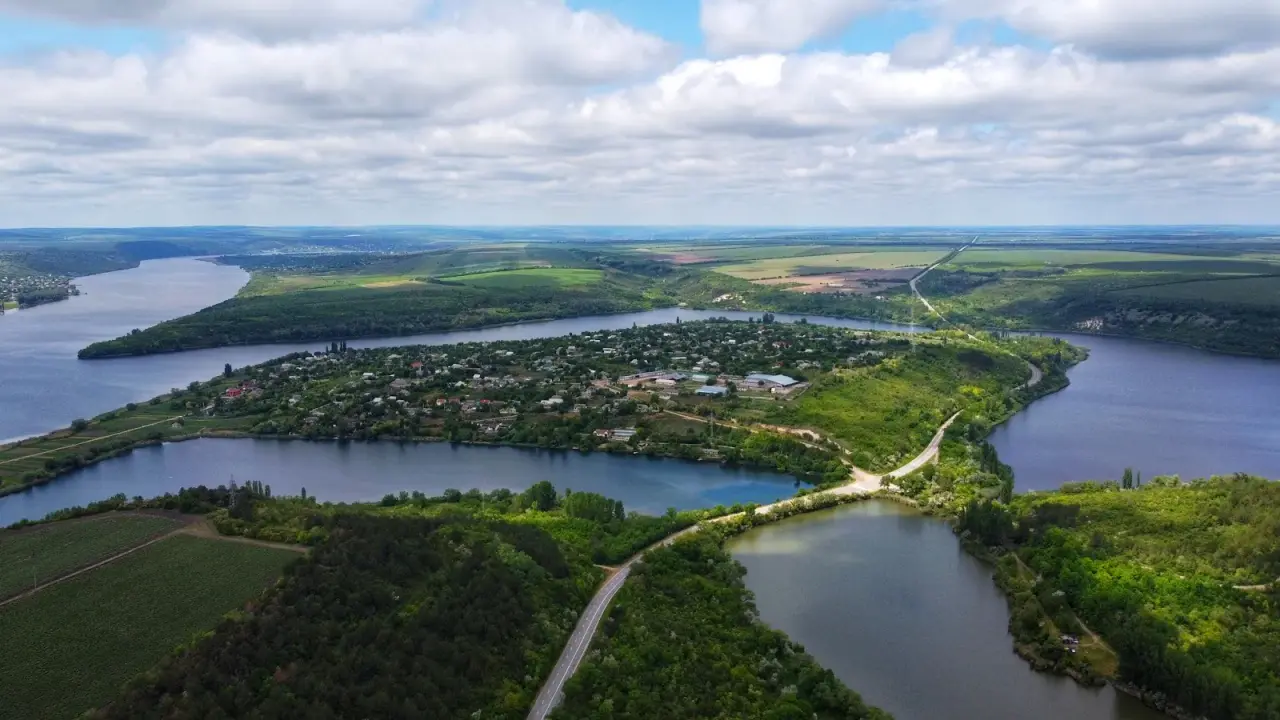
Everything we have documented here — sights, places to stay, meals and wineries, with real Google ratings.
And nearby, beyond the district border
Places in neighbouring districts, less than 40 km away, if you want to stretch the route.
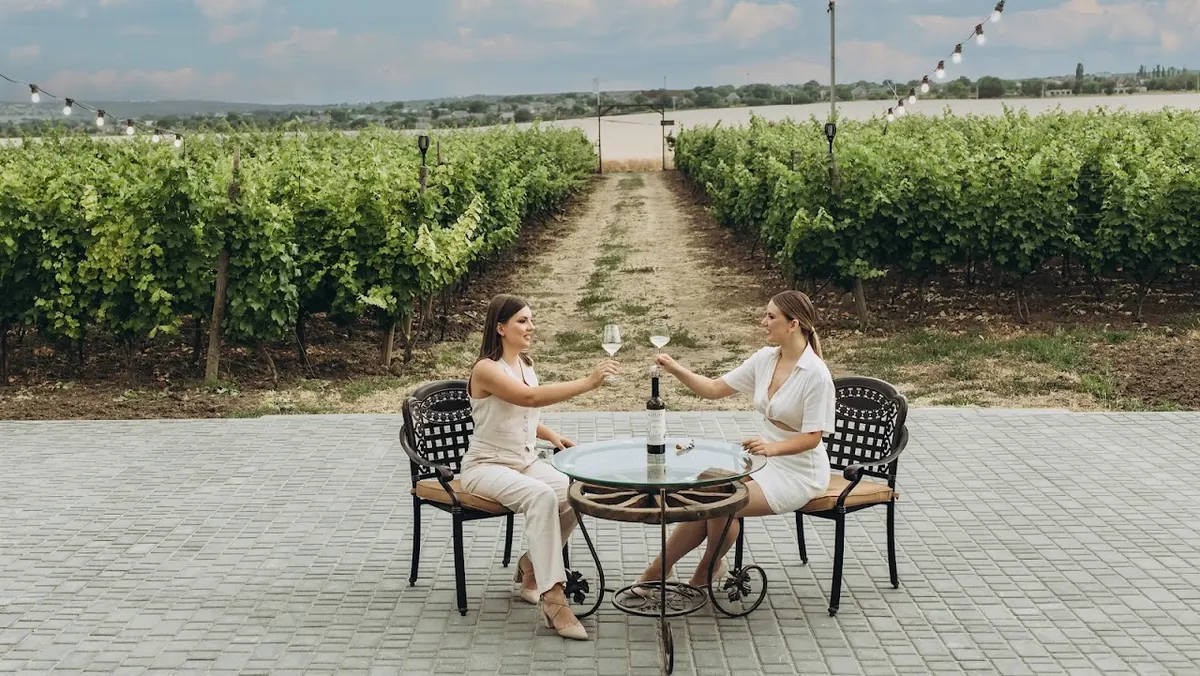 Winery14 km
Винное хозяйство КИСЛОВЪ KISLOV WINERY
Kislov winery is at Gîsca, near Bender, in the Transnistrian region, on the left bank of the Dniester. It is a producer that has built a broader offering than that of an ordinary winery: alongside the winemaking, the site includes a sales point, a bar and walking trails laid out around it. The hours are generous and cover the whole week — from 09:00 on weekdays and from 10:00 at weekends, until 22:00 — and parking, both on site and on the street, is free. Suited to visitors including the Bender–Tiraspol area in their itinerary. As this is a region with its own access regime, check the crossing conditions in advance and book your visit.
See details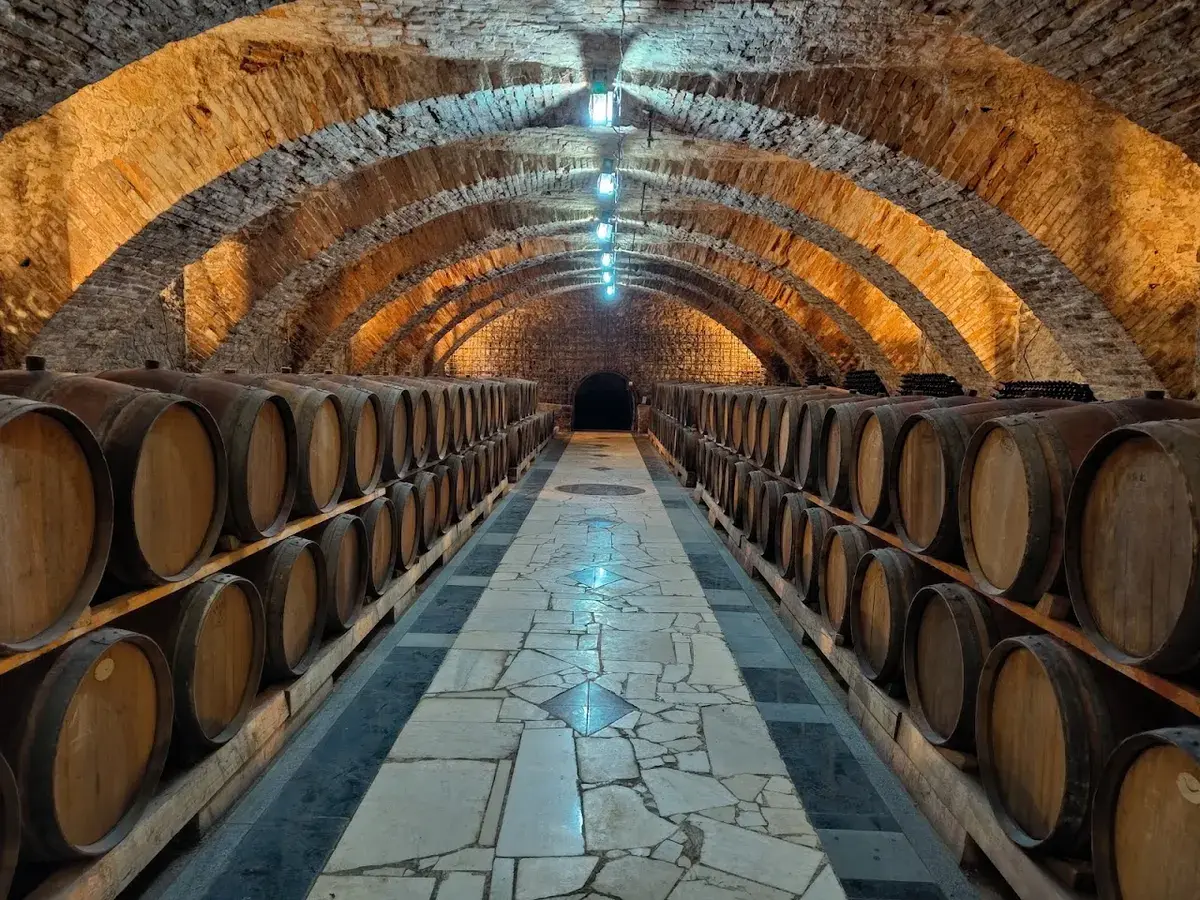 Winery21 km
Leuntea Vin
Leuntea Vin is based in the village of Grădinița, in south-eastern Moldova, in a lowland area a good distance from the usual tourist circuits. The producer has its own website and distribution, but remains a modest-sized winery. No visiting hours are posted, and guests appear to be received occasionally rather than as a matter of routine — a visit is arranged by phone, in advance, and depends on the hosts' availability. It is worth confirming a few days ahead. Recommended for those exploring the south-east of the country by car who want to add a stop away from the classic winery lists, accepting that the experience will be plain and without any tourist staging.
See details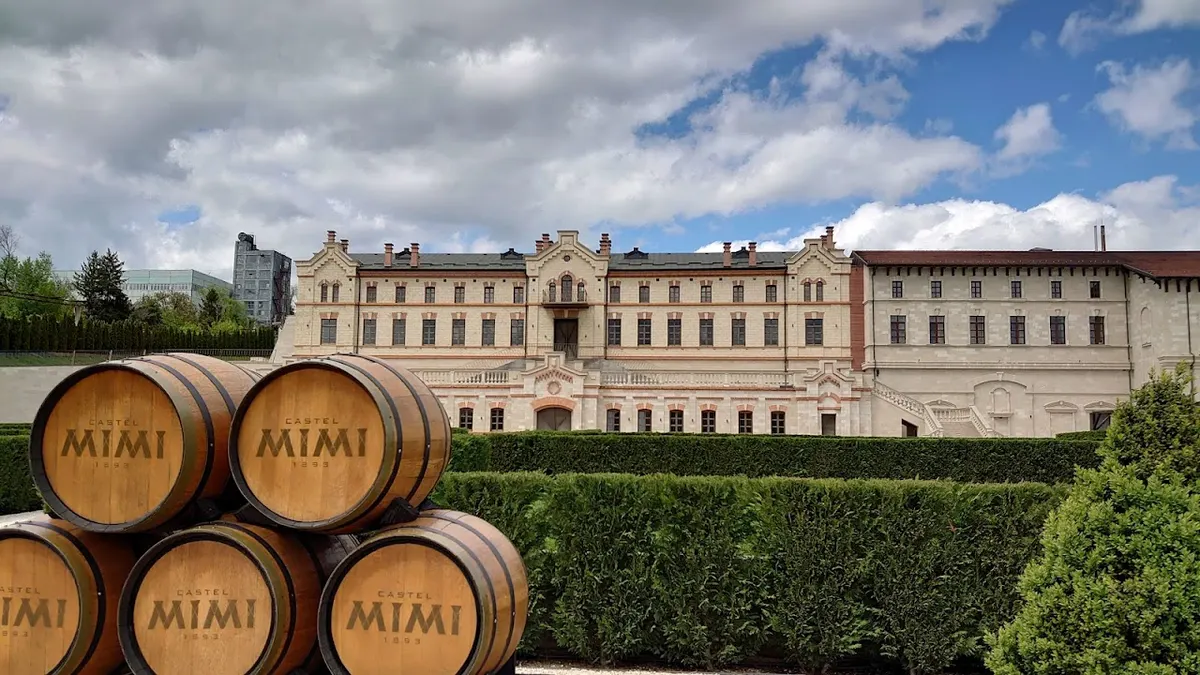 Winery27 km
Castel Mimi
A residence built in 1893 by the last governor of Bessarabia, today a striking complex with a winery, restaurant, boutique hotel and gardens.
See details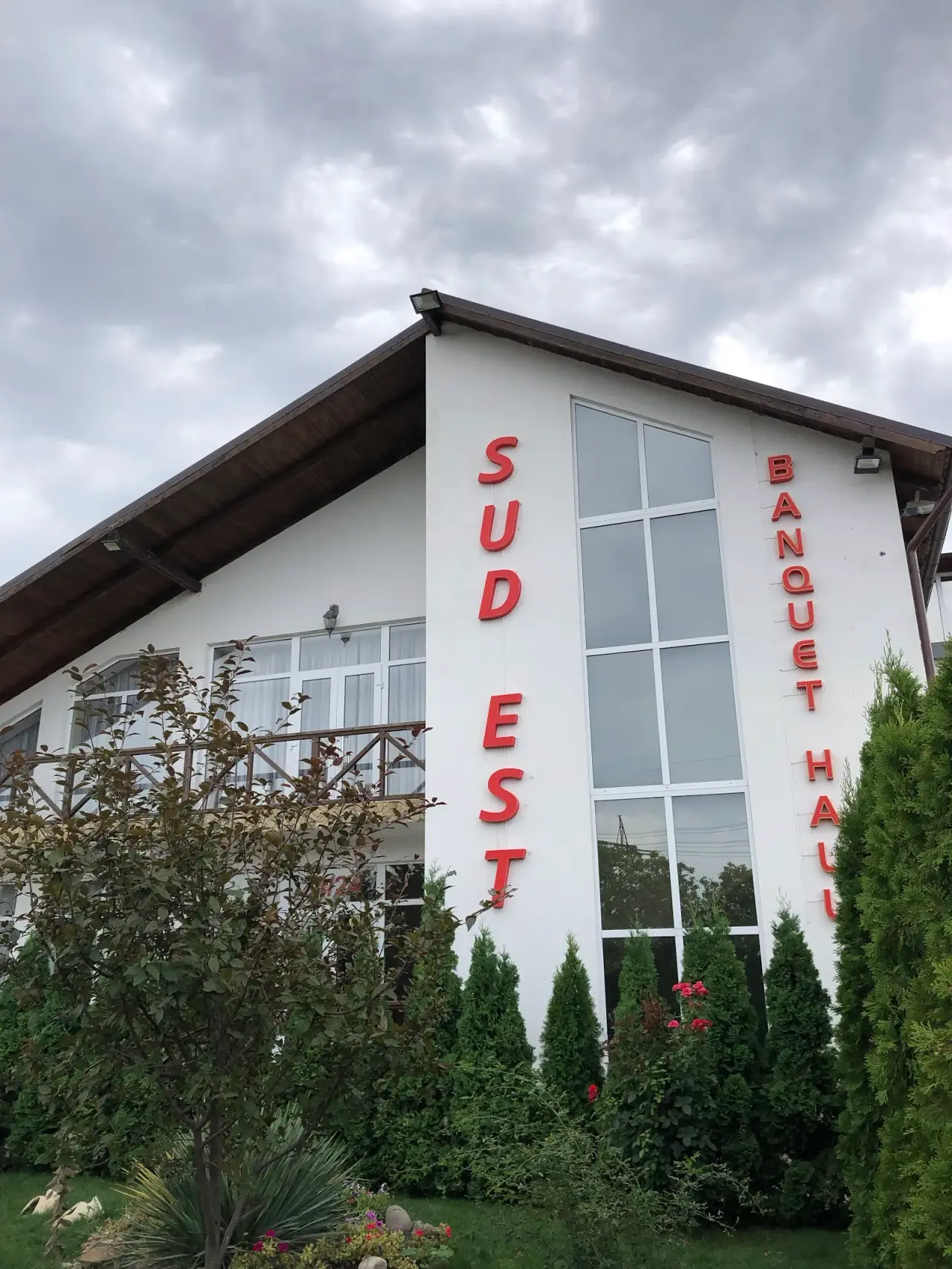 Restaurant34 km
Sud-Est
In Slobozia, Ștefan Vodă district, in the south-east of the country — the area of the Purcari vineyards, on the route towards the Ukrainian border. The essential detail: it is open around the clock, twenty-four hours a day, seven days a week. That makes it a road stop in the true sense of the term, at any hour, in an area where the alternatives close early. Terrace, bookings accepted, breakfast served, space for groups and families with children. Free parking, with a wheelchair-accessible entrance and places. Prices in the mid range.
See details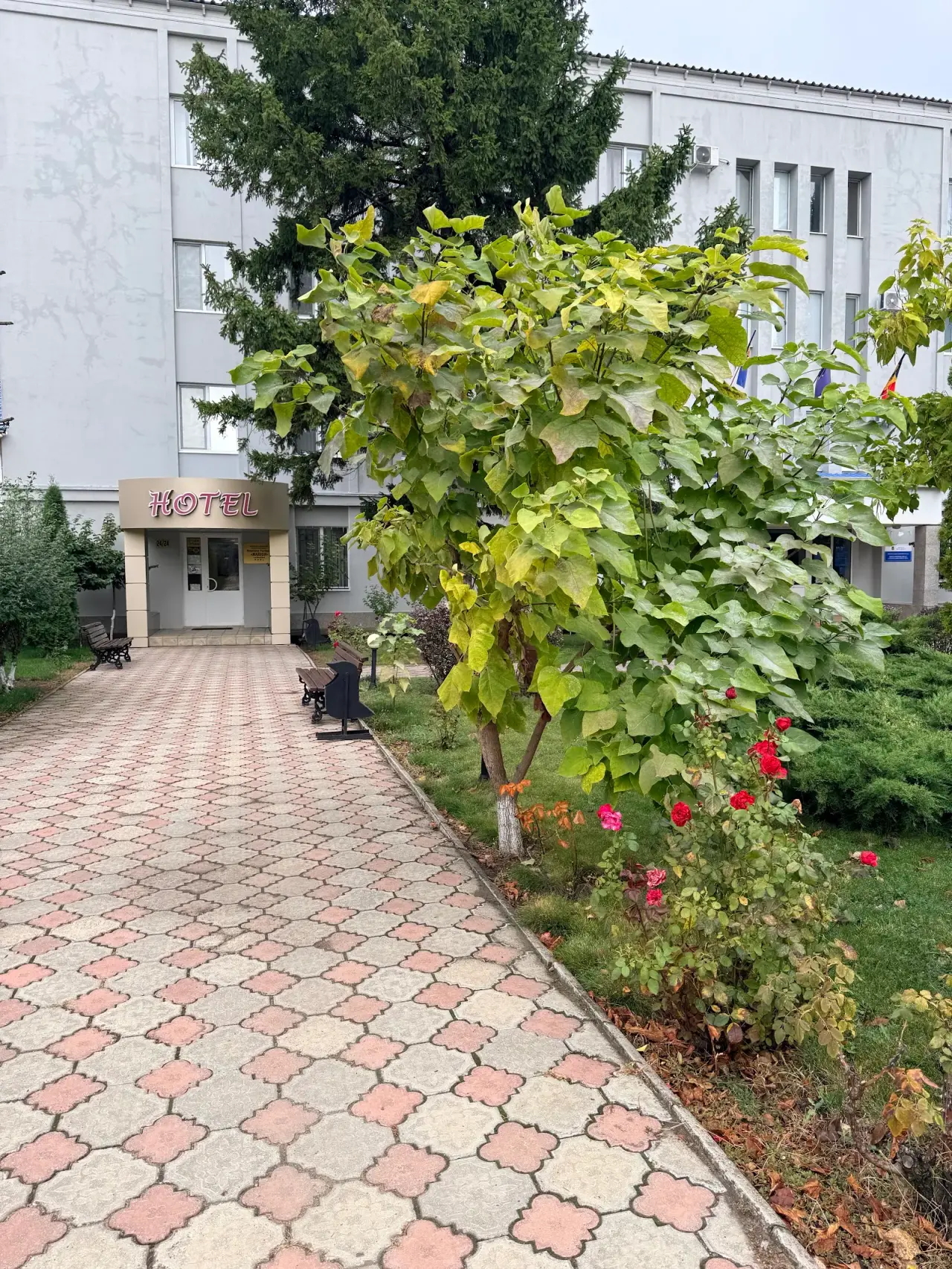 Stay35 km
MARION 4* - Pensiune turistică
Marion operates in the town of Ștefan Vodă, in the south-east of the country, a short distance from the vineyards that made the area's name — Purcari is less than half an hour away by car. It is registered as a tourist guesthouse and welcomes families with children. The data does not detail meal services, so breakfast should be clarified when booking. For anyone following the wine route in the south who does not want to sleep on winery grounds, Ștefan Vodă is the practical alternative: you have a town, shops and a petrol station, while the vineyards stay a few minutes away.
See details Restaurant36 km
La Marina
La Marina works around the clock, on strada Constructorilor in Ștefan Vodă, the district in the south-east of the country that also holds the Purcari vineyards. A venue open twenty-four hours in a town of this size is infrastructure rather than a restaurant: it solves both the lunch stop and the three-in-the-morning stop on the way to the Dniester. It has a terrace, takes children and groups and accepts bookings, at mid-range prices. Parking, in the courtyard or on the street, is free. The entrance is not adapted for wheelchair access.
See detailsWhere to stay in Stânga Nistrului (Transnistria)
Hotels, guesthouses and B&Bs in the area, on one map — prices compared across Booking, Airbnb and other platforms.
Map provided by Stay22. Bookings are completed on the partner platforms.
Frequently asked questions
Questions about Stânga Nistrului (Transnistria)
Which town is the seat of Stânga Nistrului (Transnistria)?
The administrative seat is Tiraspol.
Which part of Moldova is Stânga Nistrului (Transnistria) in?
Stânga Nistrului (Transnistria) belongs to the Left bank of the Dniester.
What is there to visit in Stânga Nistrului (Transnistria)?
Among the highlights: Regiune separatistă nerecunoscută internațional, Atmosferă sovietică, Mănăstirea Noul Neamț (Chițcani).
Plan your visit to the area
Where to stay
Real hotels and guesthouses, with prices compared on the map across Booking, Airbnb and other platforms.
SeeWineries & tastings
From record-breaking underground cities to family wineries. Almost all of them take visitors by appointment.
SeeReady-made itineraries
Day-by-day routes, with real driving distances and the route opening straight into Google Maps.
SeeVisit Stânga Nistrului (Transnistria)
We will build an itinerary around the area that interests you.