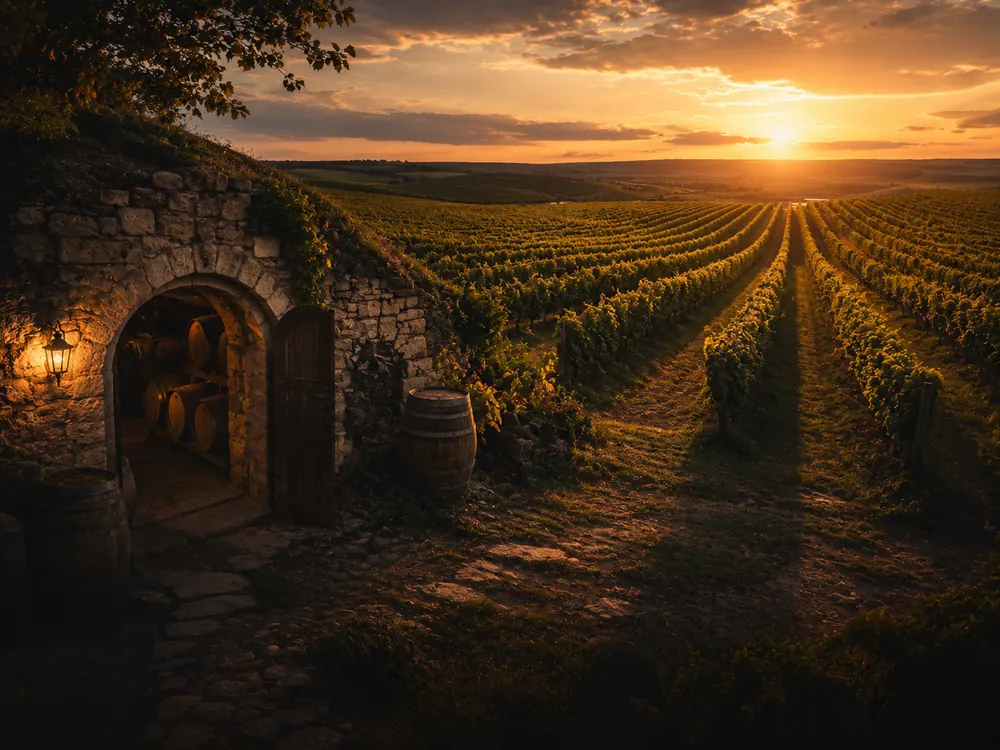
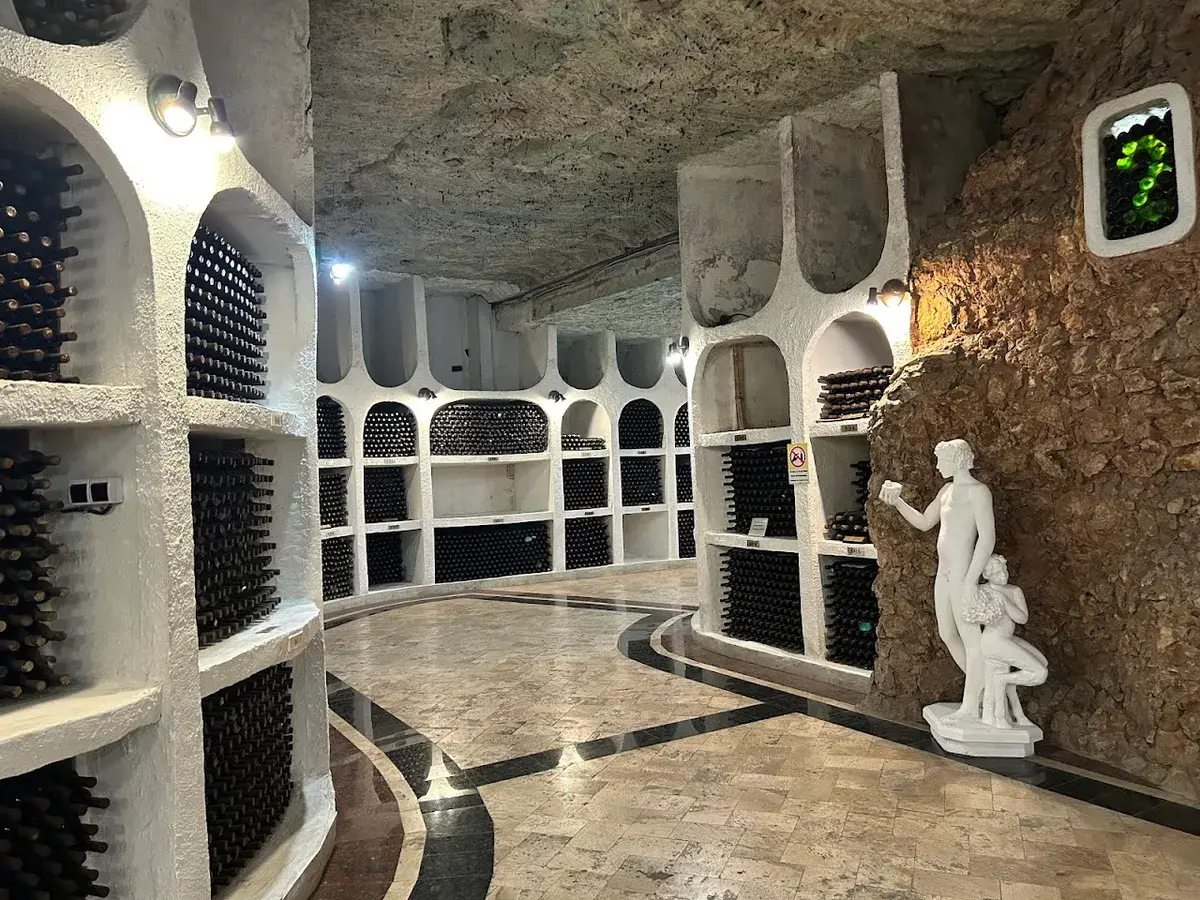
Moldova also produces international varieties — Cabernet, Merlot, Chardonnay — but its real identity comes from the native grapes, which you cannot drink anywhere else. Here is what to look for on the label, and why it matters.
Reds
- Fetească Neagră — the most highly regarded native red. It gives intense wines, with aromas of dried plums, sour cherries and spice, firm tannins and ageing potential.
- Rară Neagră — an old and rare variety, with delicate tannins and elegant wines. It goes into the blend of the celebrated Negru de Purcari.
Whites
- Fetească Albă — delicate, with floral aromas; fine wines, enjoyable young.
- Fetească Regală — fresh and aromatic, with lively acidity; also a good base for sparkling wines.
- Viorica — a variety created in Moldova, highly perfumed, with notes of flowers and exotic fruit. One of the most expressive modern Moldovan whites.
Why they are special
The native varieties have long been grown across the Romanian-speaking lands and have adapted to Moldova's continental climate, with its cold winters and hot summers. For a long time they were overshadowed by the international varieties, which were easier to sell for export; in recent years, more and more wineries have rediscovered them and are making distinctive, characterful wines from them.
What they go with
A Fetească Neagră sits well alongside sarmale, roasts and mature cheeses. A Fetească Albă or a Viorica go with plăcinte (filled pastries), fish and fresh cheese. At a tasting, ask for the native varieties first — they tell the story of the place best and stay with you longer than a Cabernet you can find anywhere.
Read more about Moldova's wineries and wine regions.
Moldova's sparkling wines
Alongside still wines, Moldova also produces good sparkling wines, many made by the traditional method, with a second fermentation in the bottle. Cricova has a long tradition in this field, and the Fetească Albă and Fetească Regală varieties make excellent bases. A dry Moldovan sparkling wine is a good choice at the start of a meal, or an affordable alternative to Champagne. More and more small wineries now make their own sparkling wines in limited runs.
How to read a label
A few words will help you choose: sec means dry, demisec slightly sweet, and dulce, obviously, sweet. The year on the label is the harvest, not the year of bottling. Look too for the designation of origin — a sign that the wine comes from a particular region, with quality rules attached. And if you see a native variety on the label, that is one more reason to try it, because that is where the true identity of Moldovan wine lies.