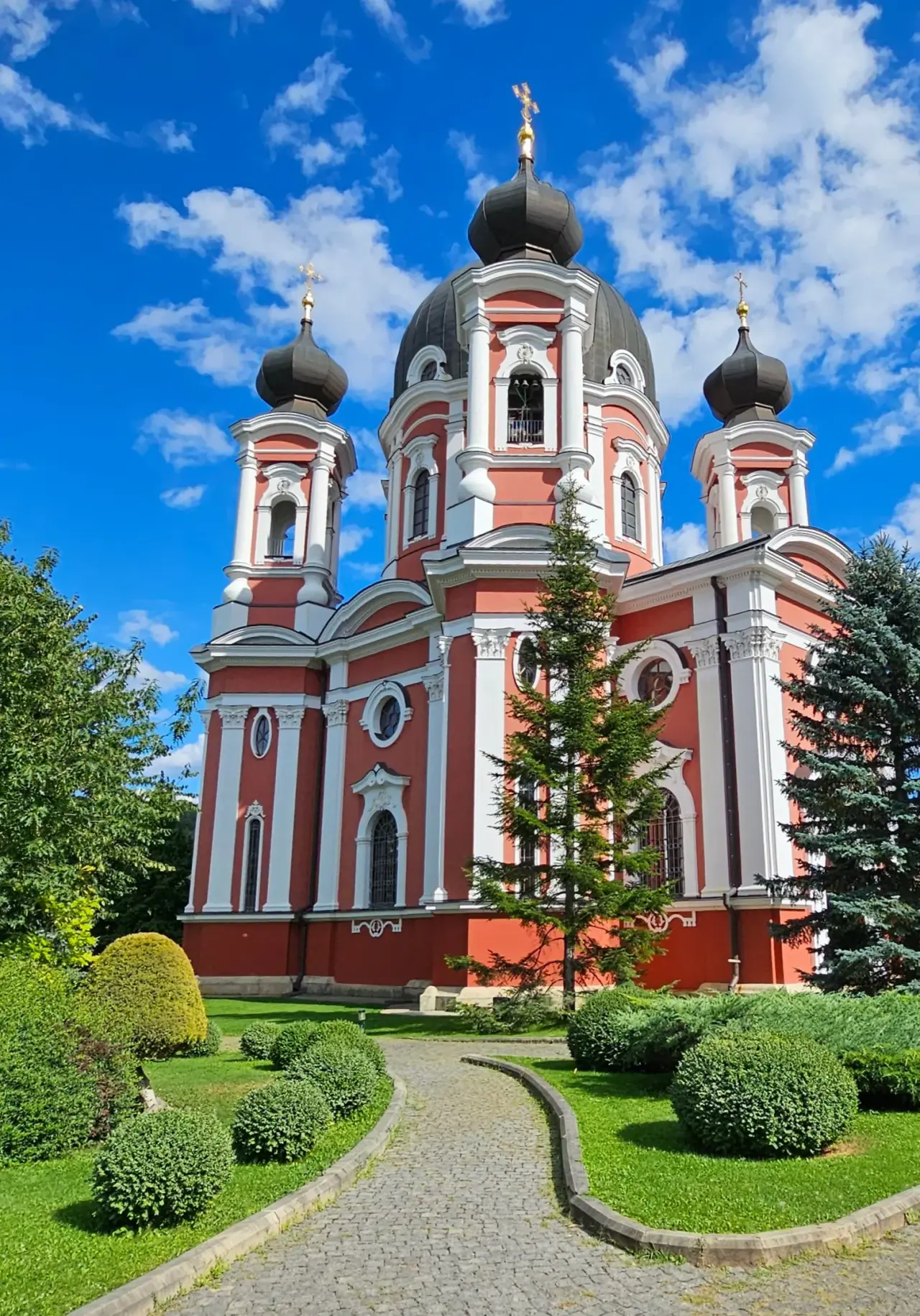
Winter in the Republic of Moldova is not a dead season, but it is a season with rules. Some sights close, others work exactly as they do in summer, and the calendar of feast days is longer and denser than most visitors expect.
If you are coming between December and February, this article tells you what is open, what is not and why it is worth it anyway.
The calendar: from St Andrew's to Epiphany
The cycle of winter feasts in the Romanian-speaking lands east of the Prut begins around 13 December, on St Andrew's Day, and closes at Epiphany, on 19 January. That is more than five weeks in which something is happening almost continuously.
The local particularity, important for planning: Christmas is marked both on 25 December and on 7 January, following the old-style calendar. This is not a folkloric curiosity — it means you have two distinct windows in which to find a festive atmosphere, and in certain communities the second is the main one. If you want to catch the traditional customs in the villages that keep the old style, early January is the right choice.
In practice, this gives you a rare flexibility: you can have Christmas at home and the celebration "a second time" across the Prut.
The customs: what you actually see
The winter repertoire is alive, not museum-bound. What you have a chance of encountering:
Colindatul (carol-singing). Groups of carollers going from house to house. In villages it is current practice, not organised performance.
Plugușorul. The New Year's greeting, recited rhythmically, with a buhai (friction drum), bells and a whip. It is performed on the evening of 31 December and on the first day of the year.
Sorcova. The 1 January greeting, performed mainly by children, with a decorated wand.
Capra (the goat). The masked dance with an animal character, with music and a procession. One of the most spectacular manifestations of the whole cycle.
The full context of these practices — where they come from, what they mean, how they differ from area to area — is set out in the traditions and culture section.
One thing to know: the most authentic manifestations happen in villages, not in central squares. If you want to see them, you need a car, a local host and patience. They are not scheduled at fixed times and they are not advertised on posters.
Chișinău in December
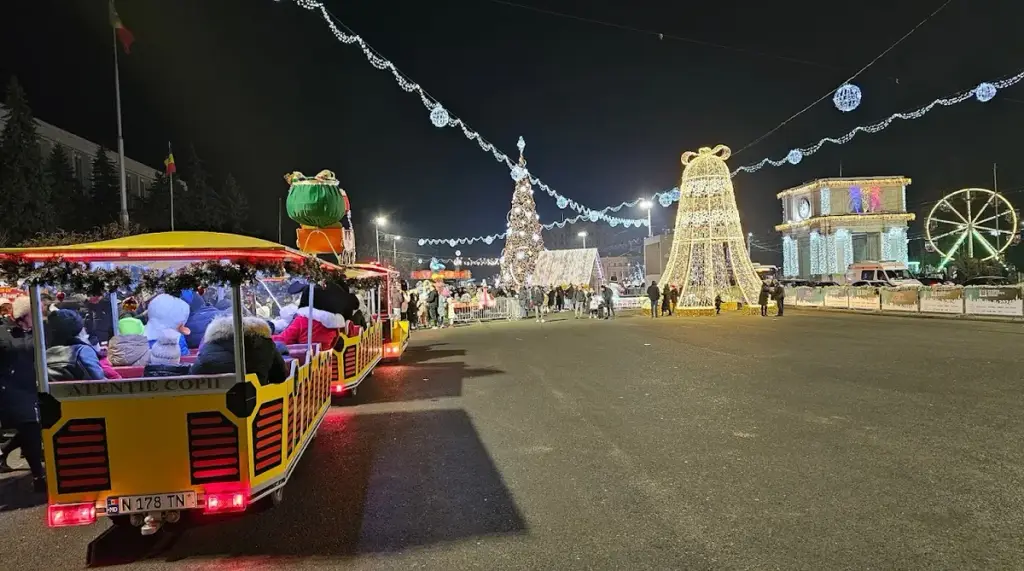
In the capital, the centre of the celebration is Great National Assembly Square, where the Christmas market is held — huts, a tree, a programme. The exact dates, hours and structure of the programme change from year to year and are announced relatively late, so check official sources before building your trip around a particular day.
Otherwise, Chișinău functions normally in winter: museums, theatres, cafés, city life. It is in fact the season in which the city shows itself best, without the competition of day trips. For meals, the restaurant directory is the starting point — but book ahead over the holiday period, when the places in the centre fill up.
What is closed: the important warning
Here is the information that saves you a wasted day.
Soroca Fortress is CLOSED in winter. It operates from spring until November. If you are planning a drive of several hours north to see the fortress, postpone it for another season. This is not a temporary closure or a matter of weather — it is the site's normal operating regime.
The rule extends, with some nuance, to a number of outdoor sights and to the guesthouses in rural areas, which in winter work at reduced capacity or by request only. Call ahead. In winter, the availability shown online is less reliable than a phone call.
What works as well as it does in summer: the wineries
The good part of a Moldovan winter is underground.
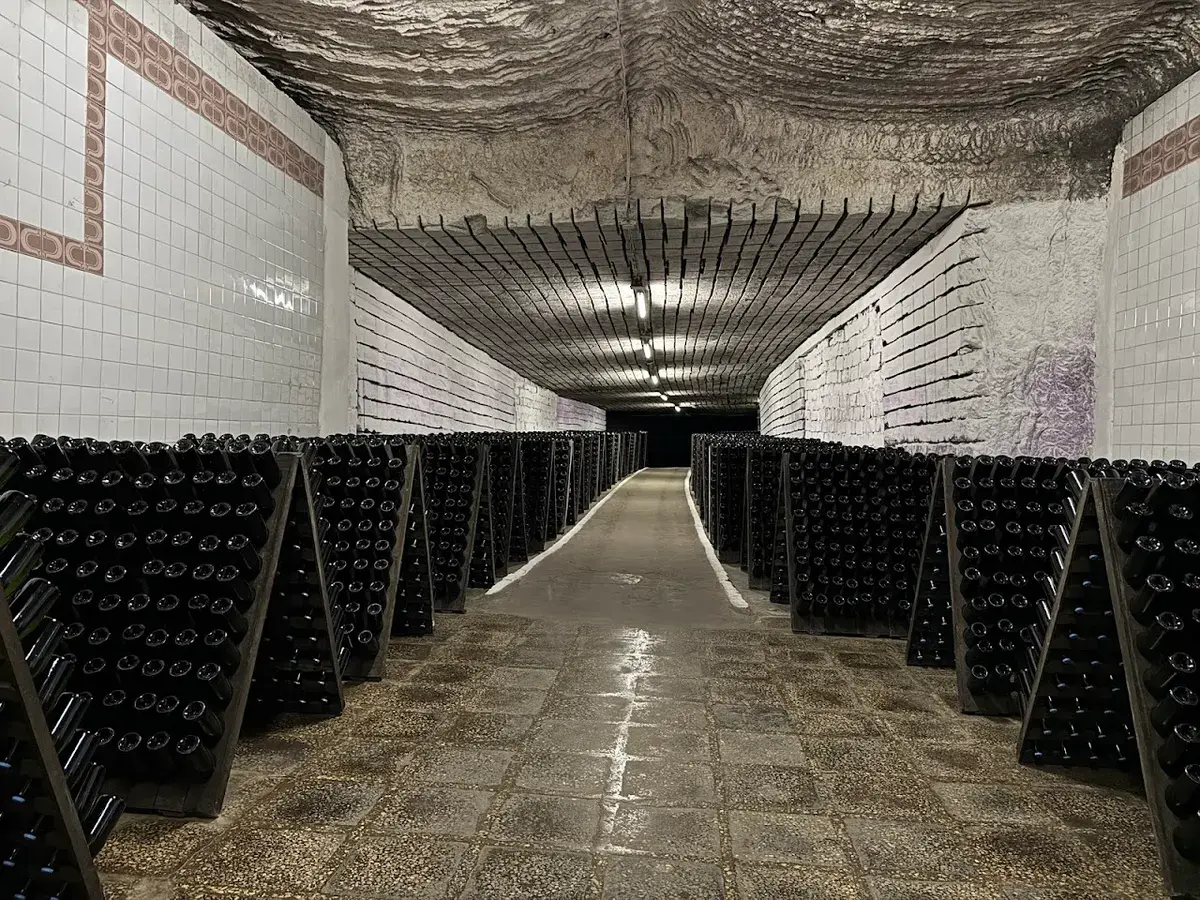
The underground galleries hold a constant 12–14°C all year round. For Cricova and Mileștii Mici — the underground cities of wine — the season is practically irrelevant. You go down into the gallery and the temperature is the same in January as in July. The wine behaves the same, the tasting is the same, the route is the same.
What does change is something else: in winter there are fewer visitors. Group numbers drop, appointments are easier to arrange, and a tasting on a January day is a far calmer experience than the same tasting on a September weekend.
A common-sense detail: if it is minus five outside, you will not be cold at 12°C in the gallery — but the journey there and back and the wait at the surface call for a coat. Dress in layers.
Surface wineries, with architecture and a restaurant, also operate in winter, but with adapted opening hours. Check each one individually in the wineries and wines section.
How to build a useful winter trip
The structure that works:
- A base in Chișinău. The city is practical in winter, has everything close by and saves you long drives on cold roads.
- A day at the wineries. The underground is immune to the season, and in winter it is emptier.
- One short trip outside the city, with the sight checked by phone beforehand.
- Evenings in the city — theatre, concerts, long meals.
- The feast days in a village, if you have somewhere to go. It is the only way to see the carol-singing and the capra as they really are.
For where to sleep, the accommodation directory covers both the capital and rural establishments — but for winter, confirm directly with the host. If you want to delegate the logistics or you do not want to drive on winter roads, organised tours take care of transport.
What to bring
The winters are continental: dry cold, wind in open country, snow that varies from year to year. Waterproof footwear, layers, gloves. And if the plan includes underground galleries, a mid-weight jacket for the 12–14 degrees down there — it is warmer than outside, but you spend several hours at that temperature.