Ocnița District
Administrative seat: Ocnița
The northernmost district in terms of its rail position, on the border with Ukraine. An important railway junction, with small towns and northern villages, orchards and fields.
Ocnița district lies at the far northern end of the Republic of Moldova, in the North Development Region. Its seat is the town of Ocnița. The district borders Ukraine (the Chernivtsi and Vinnytsia regions) to the north and west, as well as the districts of Briceni, Edineț and Dondușeni within the country. In the village of Naslavcea, on the bank of the Dniester, lies the northernmost point of the Republic of Moldova, which makes the district the northern limit of the state.
Geography
With an area of approximately 597 km² and maximum altitudes of around 280 metres, the district belongs to the Northern Moldavian Plateau, with a hilly relief cut by deep valleys. The Dniester flows along the eastern and north-eastern edge of the territory, forming a border sector with Ukraine and offering, through its high, rocky banks, some of the most spectacular views in the north of the country. Chernozem soils support productive agriculture.
Population and ethnic groups
At the 2014 census the district had around 47,400 inhabitants, with a density of about 79 inhabitants/km². Its ethnic composition is one of the most diverse in the north of the country: alongside Moldovans/Romanians (the majority, about 63%), Ukrainians account for a significant share (over a quarter of the population), together with Roma and Russian communities. Besides Ocnița, the district includes the towns of Otaci, an important customs point on the Dniester towards Ukraine, and Frunză.
Heritage and history
The district's economy is predominantly agricultural and agro-industrial, centred on cereals, sugar beet, sunflower and livestock farming. Among the religious sites, notable ones include Călărășeuca Monastery, a foundation on the bank of the Dniester with roots documented in earlier centuries, and the Church of St George the Victorious in Ocnița, built at the beginning of the 20th century. The picturesque landscape of the high, wooded banks of the Dniester, in the Naslavcea–Călărășeuca area, makes the north of the district a destination valued for nature and pilgrimage tourism. The district's settlements preserve a rich ethnographic heritage, in which Moldovan and Ukrainian traditions intertwine, visible in vernacular architecture, dress and customs. The district, in its first form, was established in November 1940 and went through several territorial reorganisations before reaching its present administrative configuration.
What the area is known for
More to see in the area
Key facts
- Type
- District
- Region
- Northern region
- Administrative seat
- Ocnița
Detailed statistics (population, area) are updated from official sources (the National Bureau of Statistics).
What to find in Ocnița District
Everything we have documented here — sights, places to stay, meals and wineries, with real Google ratings.
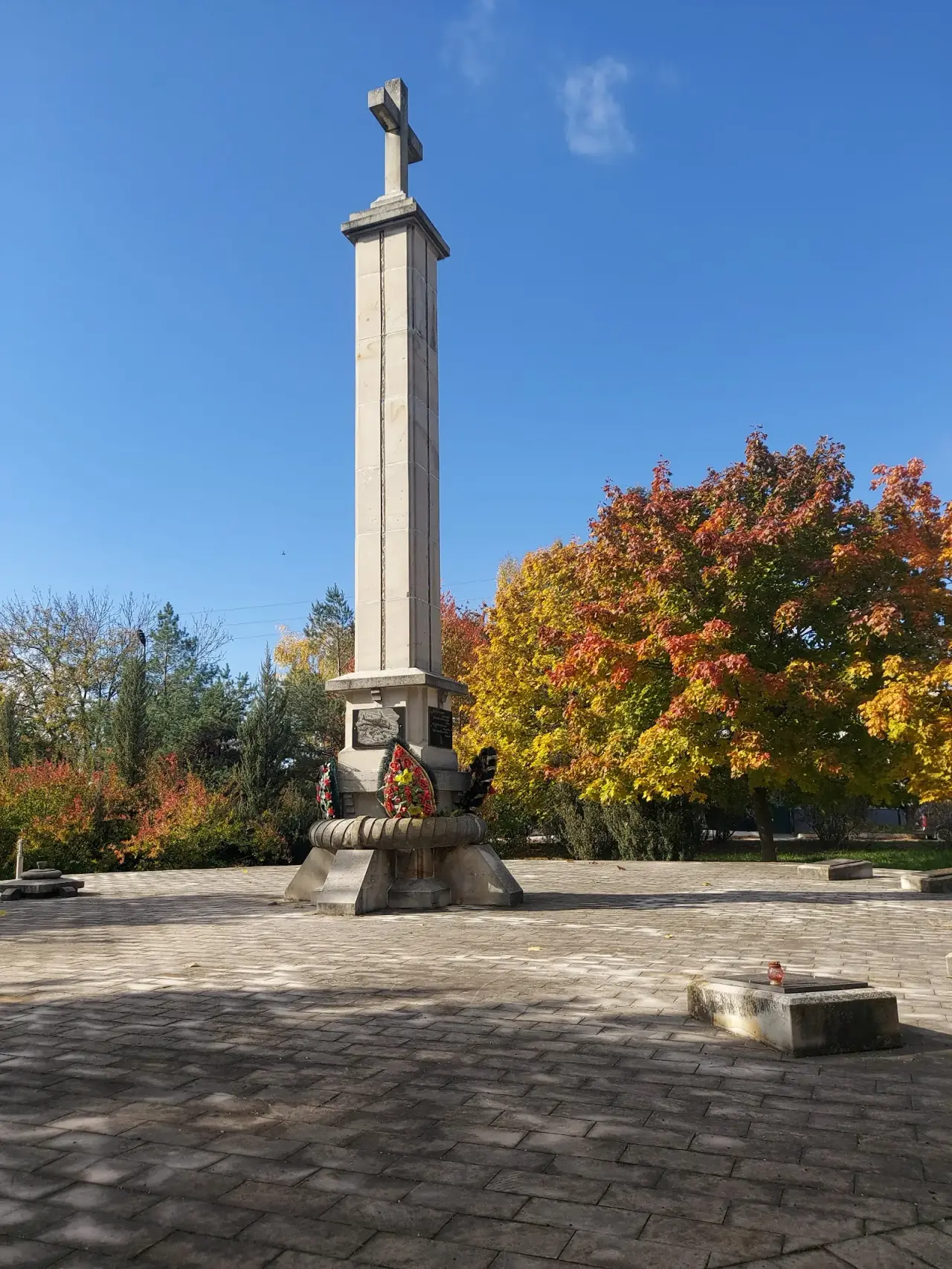
And nearby, beyond the district border
Places in neighbouring districts, less than 40 km away, if you want to stretch the route.
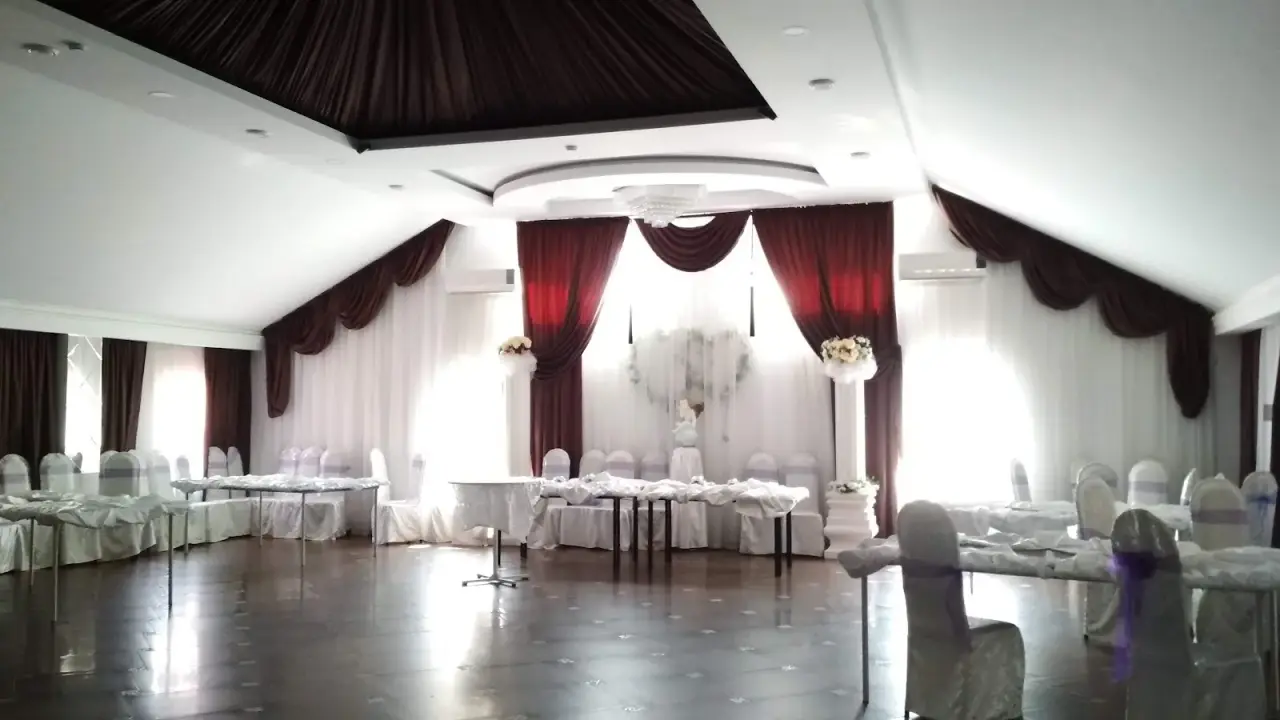 Restaurant66 km
Amour
Amour operates in Soroca, a town where dinner after the visit to the fortress on the bank of the Dniester does not have many alternatives. The hours are unusually long for the provinces: open daily from nine in the morning to eleven at night, with breakfast served. The terrace catches the warm season, and the dining room takes groups and accepts bookings — useful if you arrive by coach or with a large family. Prices sit in the mid range. Parking is on the street, free. Dogs are not admitted.
See details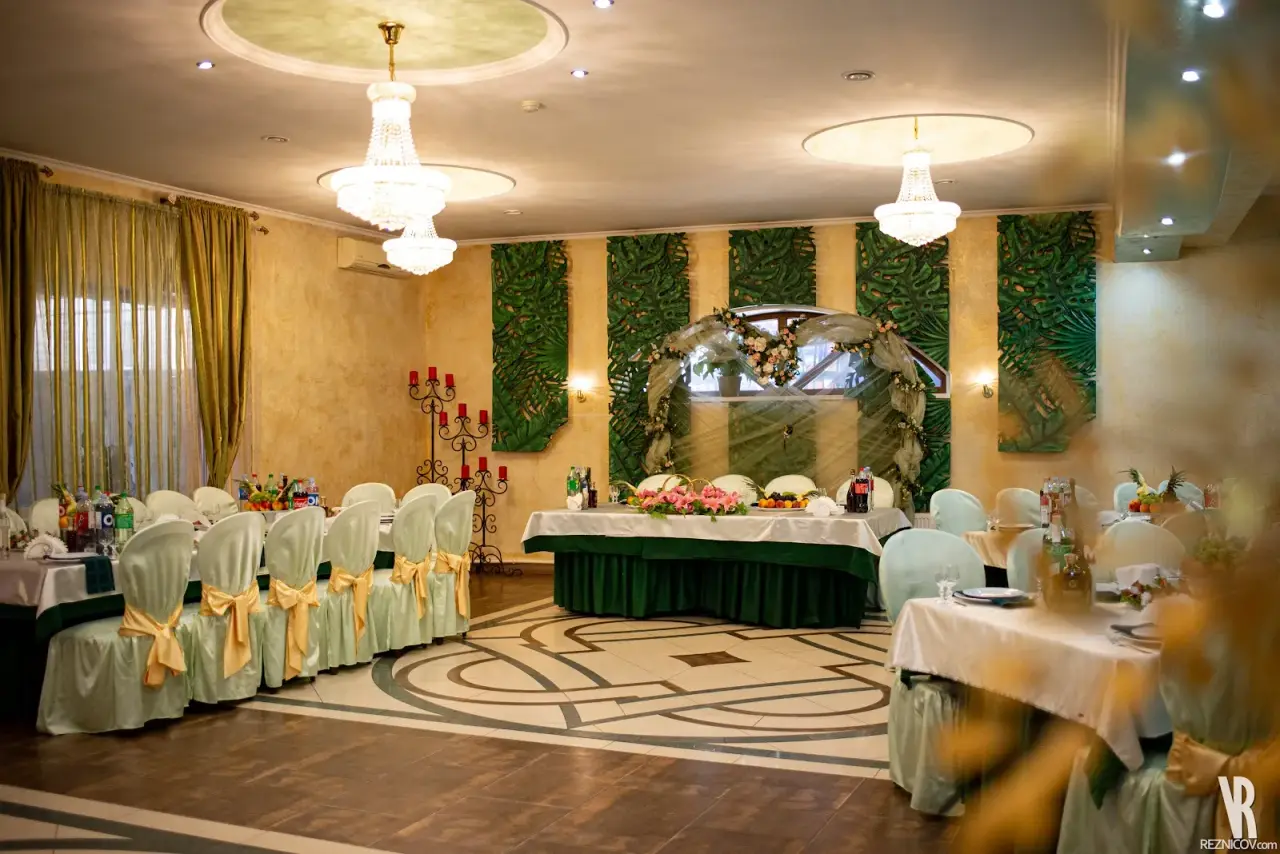 Restaurant67 km
Briz
Briz is a restaurant in Soroca, a town on the bank of the Dniester whose fortress brings in most of the north's visitors. The hours are the same all week, from ten in the morning to eleven at night, and include breakfast — which makes it useful as the first stop of the day, not only for dinner. The terrace runs in season, the dining room takes children and groups, and bookings are accepted. The price level is mid-range. Wheelchair access is not provided, either at the entrance or at the parking, and dogs are not admitted.
See details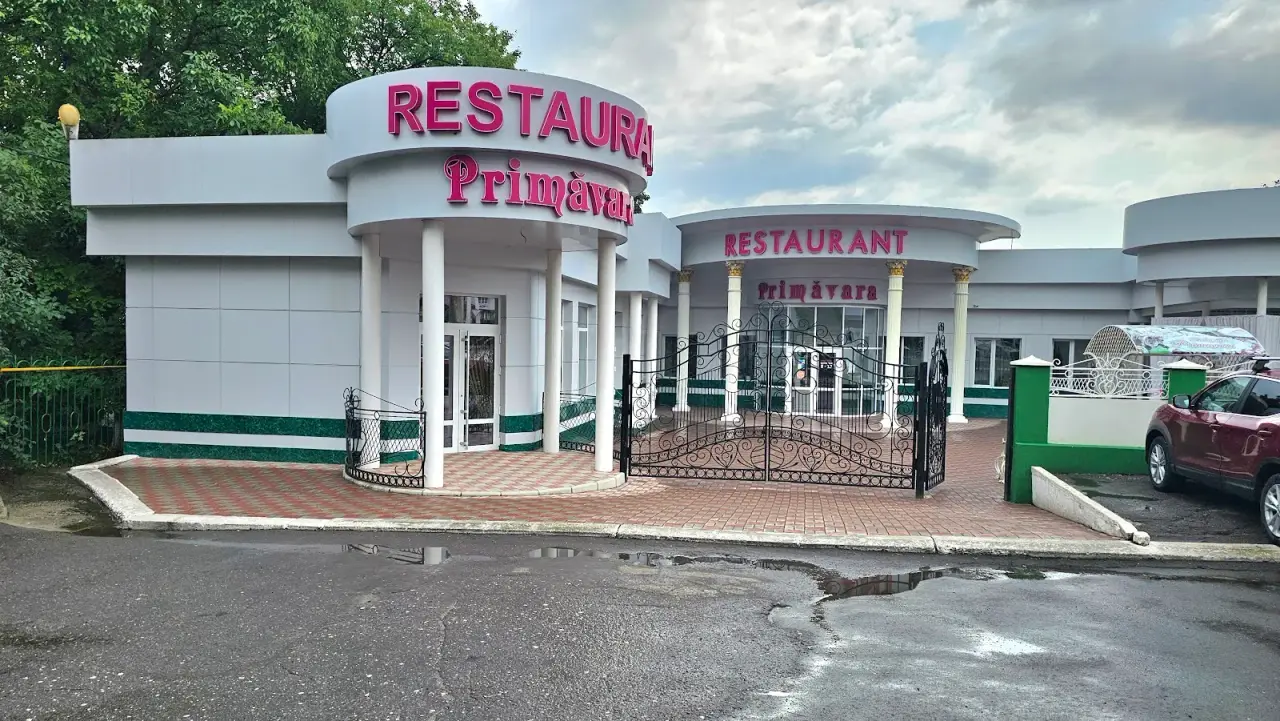 Restaurant67 km
Primăvara
In Soroca, the town of the fortress on the Dniester and of Dealul Țiganilor — two of the most photographed sights in the north of the country. The restaurant opens only at midday, but runs until two at night, every day. That makes it an evening venue par excellence: once you have finished the visit to the fortress, it is one of the few options in town that stay open late. Terrace, bookings accepted, breakfast served, space for groups and families with children. Wheelchair-accessible entrance and places, free parking. Prices in the mid range.
See details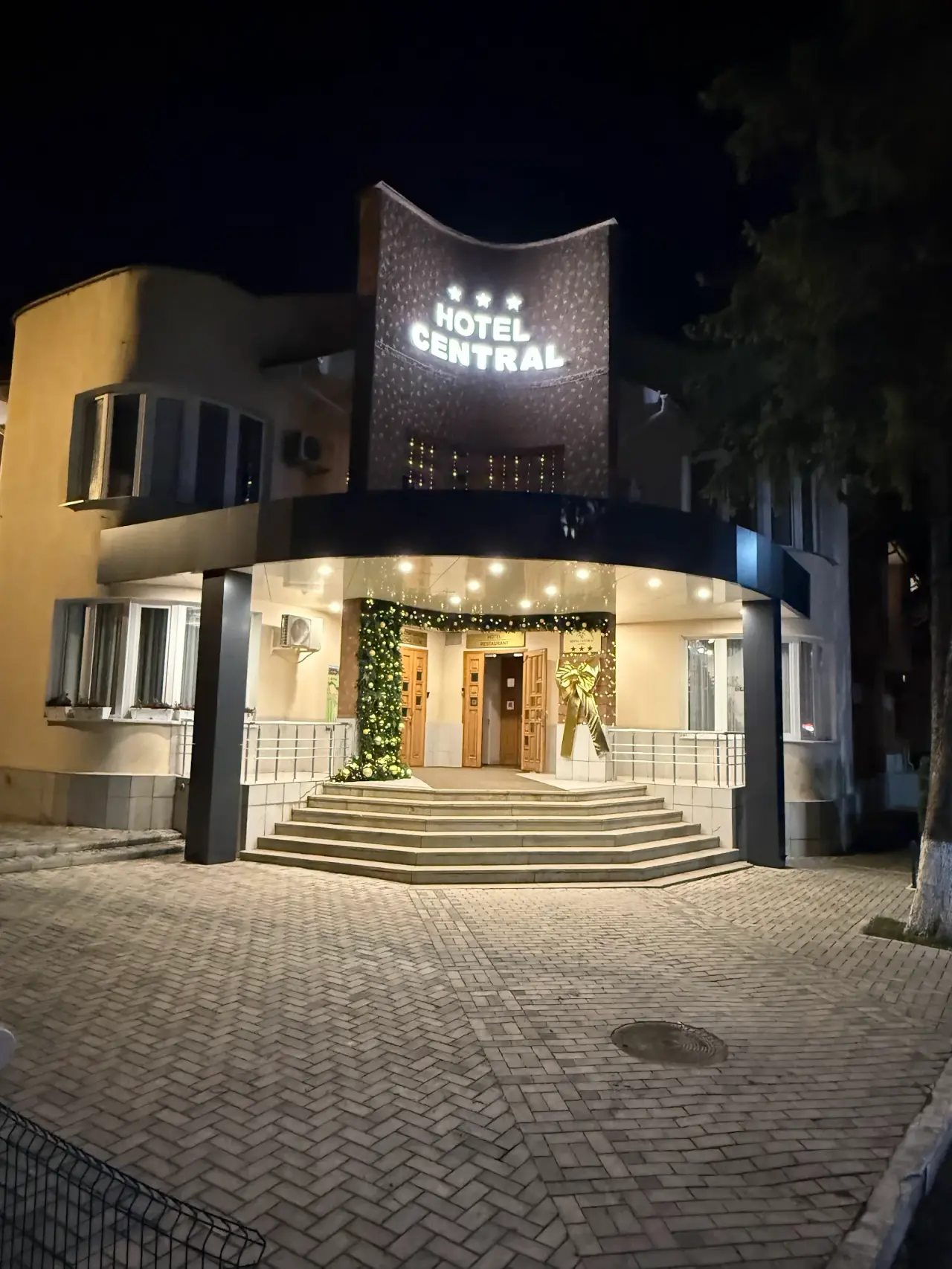 Stay67 km
Hotel Central Soroca
The hotel stands right in the centre of Soroca, on Mihai Kogălniceanu street, a few minutes' walk from Soroca Fortress and the bank of the Dniester. For anyone heading north along the fortress route, it is one of the few genuinely central options in town. Beyond the rooms, the building houses a restaurant with a bar and a relaxation area with a sauna, a bath and a pool, plus an events hall. Families are welcomed without reservation, which counts if you are making the trip with children. Useful as a base for a night or two, enough to take in the fortress, the Candle of Gratitude and the Roma village on the hill.
See details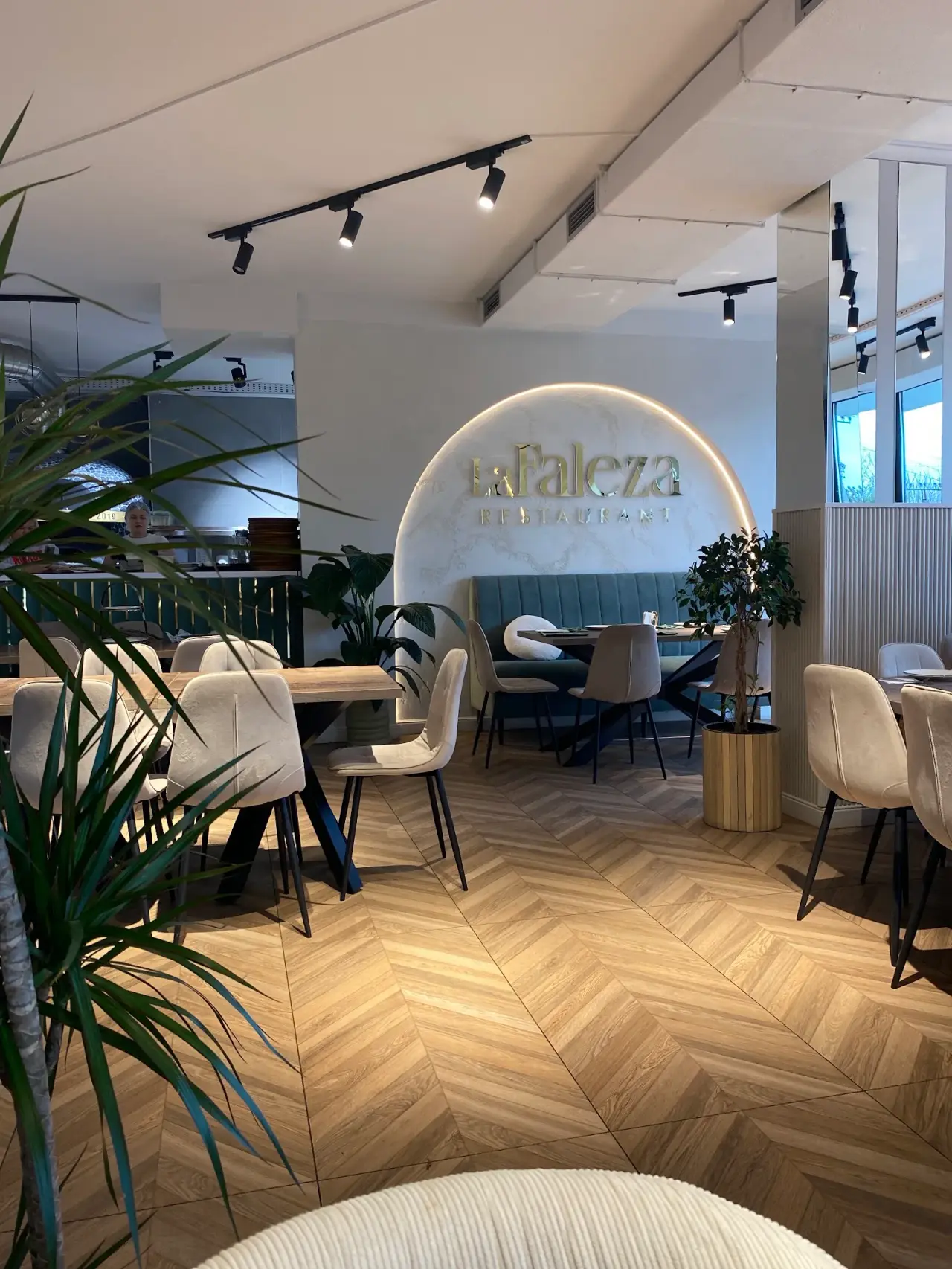 Restaurant68 km
La Faleza
La Faleza is on strada Bogdan Petriceicu Hașdeu, in Soroca, a town that draws its visitors from the medieval fortress on the bank of the Dniester. The hours are daily, from ten in the morning to ten at night, with a single exception: on Monday it opens only at midday. It is, in practice, an address for lunch and dinner, not for breakfast. It takes children and groups and accepts bookings, which counts in a town visited often by coach parties. Parking, in the courtyard or on the street, is free. Pets are not admitted.
See details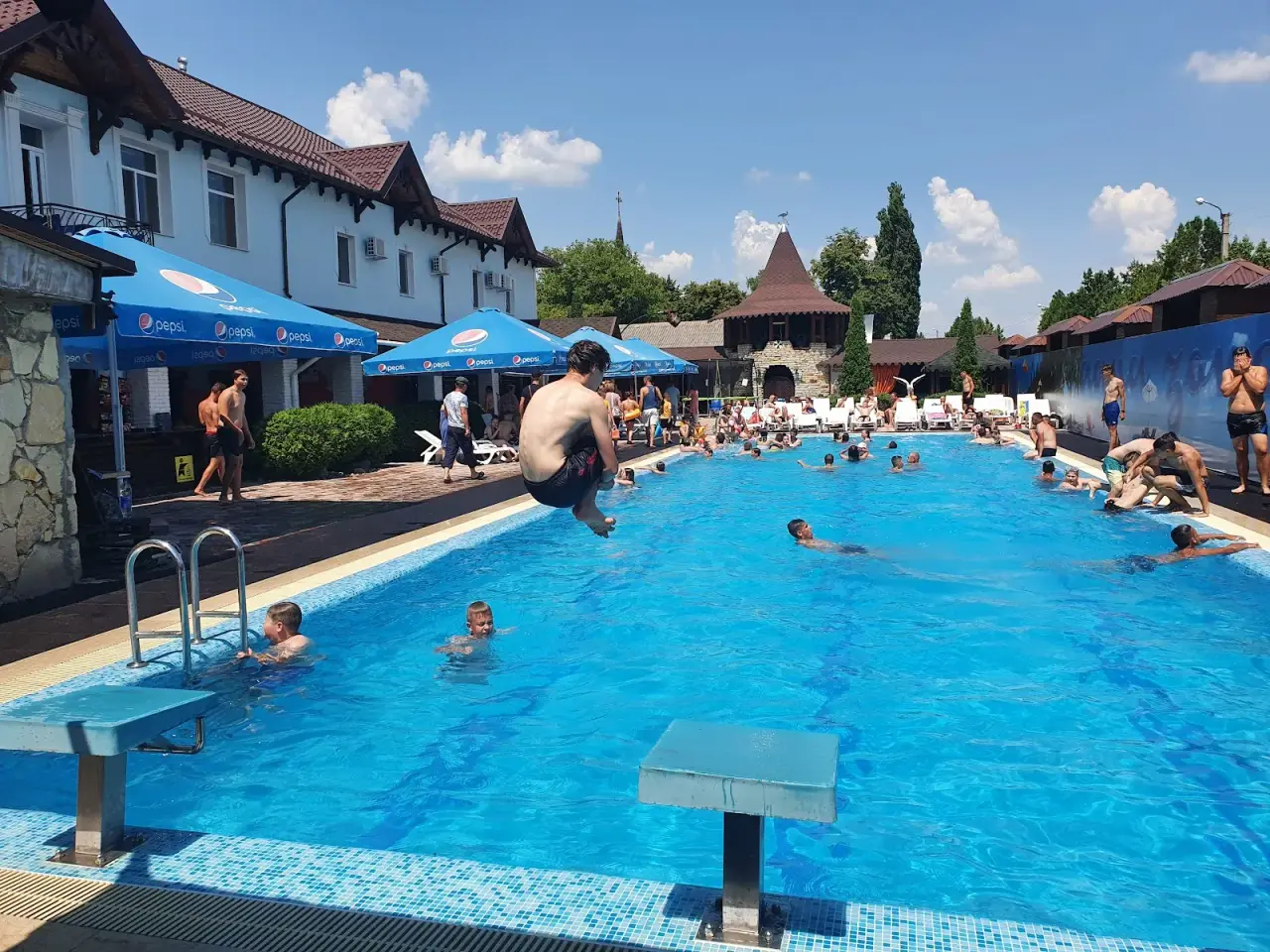 Stay68 km
Hotel Europa
Hotel Europa is on Vasile Alecsandri street, in Soroca, a short distance from the town's administrative centre and from the road running down to the fortress and the Dniester. Among the properties in town, it is one of the few with wheelchair-access arrangements: both the entrance and the parking space are adapted. Children are welcome, which recommends it for a family stop. Soroca deserves more than one night if you want to take in both the fortress and the route to the Dniester monasteries — the hotel works well as a fixed point for two days.
See detailsWhere to stay in Ocnița District
Hotels, guesthouses and B&Bs in the area, on one map — prices compared across Booking, Airbnb and other platforms.
Map provided by Stay22. Bookings are completed on the partner platforms.
Frequently asked questions
Questions about Ocnița District
Which town is the seat of Ocnița District?
The administrative seat is Ocnița.
Which part of Moldova is Ocnița District in?
Ocnița District belongs to the Northern region.
What is there to visit in Ocnița District?
Among the highlights: Nod feroviar la graniță, Nordul țării.
Plan your visit to the area
Where to stay
Real hotels and guesthouses, with prices compared on the map across Booking, Airbnb and other platforms.
SeeWineries & tastings
From record-breaking underground cities to family wineries. Almost all of them take visitors by appointment.
SeeReady-made itineraries
Day-by-day routes, with real driving distances and the route opening straight into Google Maps.
SeeVisit Ocnița District
We will build an itinerary around the area that interests you.