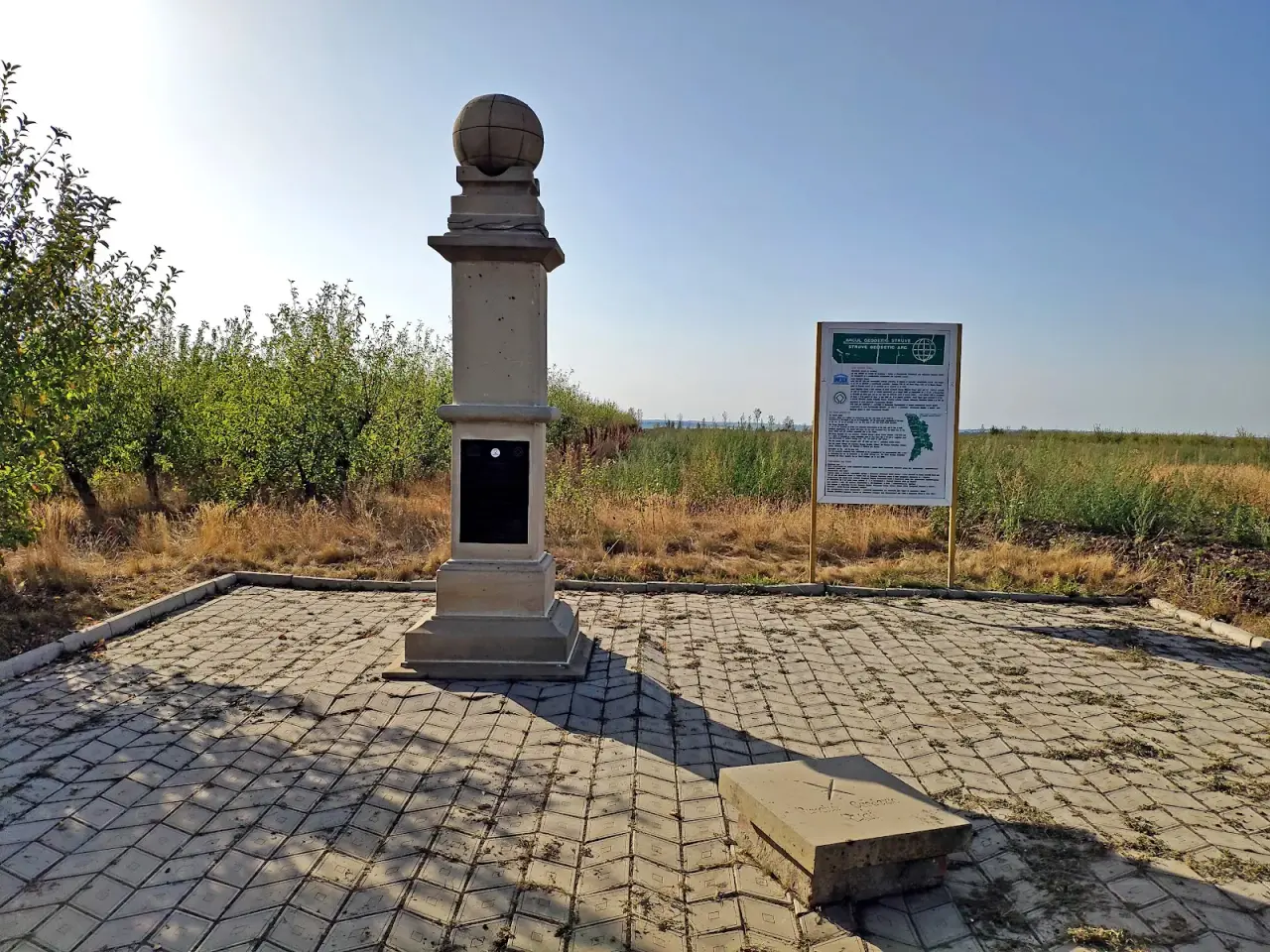
Arcul Geodezic Struve
A network of triangulation points spread across the territory of several countries and inscribed on the UNESCO World Heritage list. In the Republic of Moldova there are marked points, one of them in the Rudi area, in the north of the country, freely accessible and with no opening hours.
A monument you have to understand in order to see
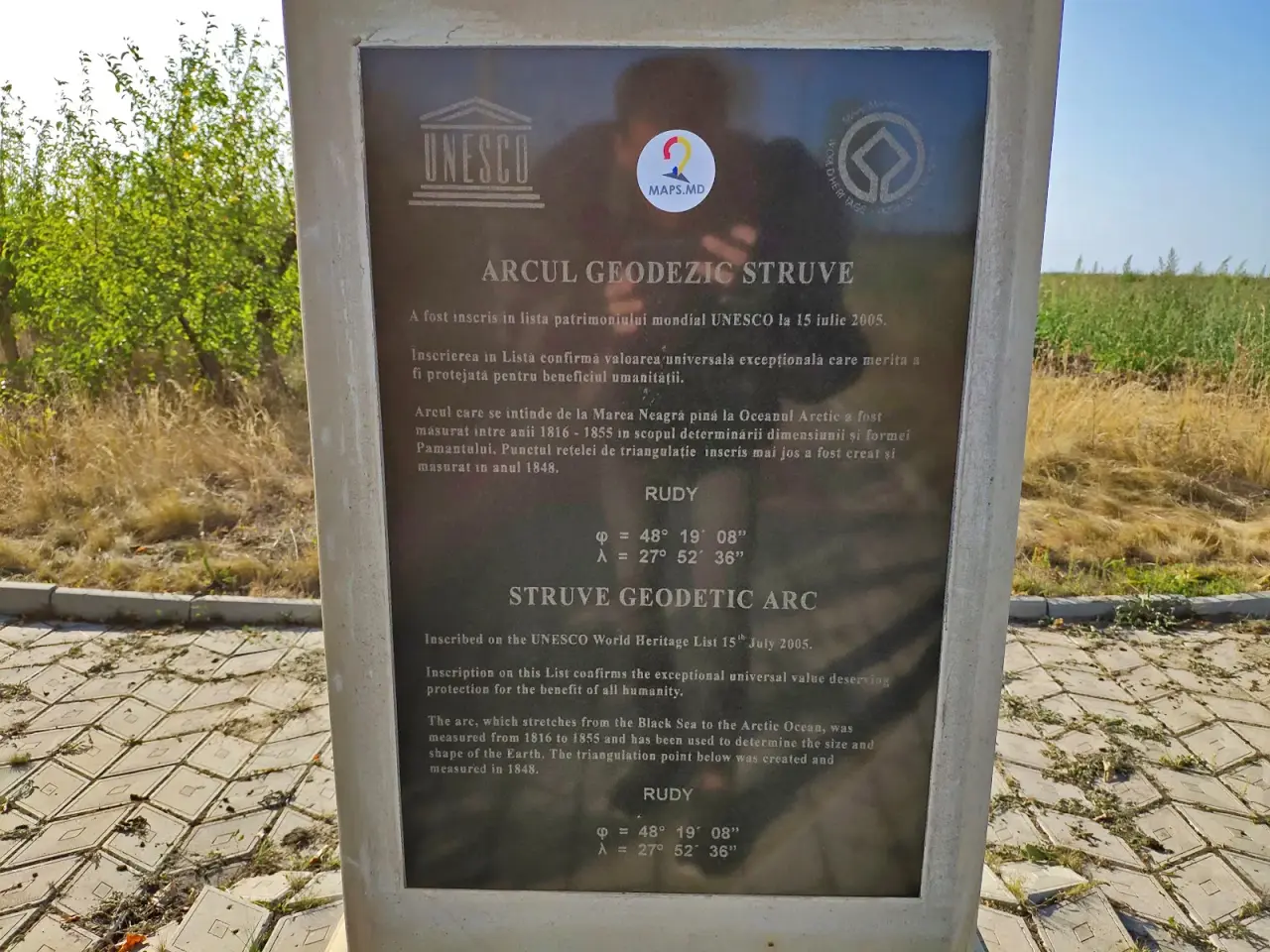
The Struve Geodetic Arc is not a building. It is a network of triangulation points, marked on the ground, that extends across the territory of several countries and that was inscribed as an ensemble on the UNESCO World Heritage list. The Republic of Moldova holds several of these marked points, and the best known and most visited lies in the Rudi area, in the north of the country, close to the Dniester.
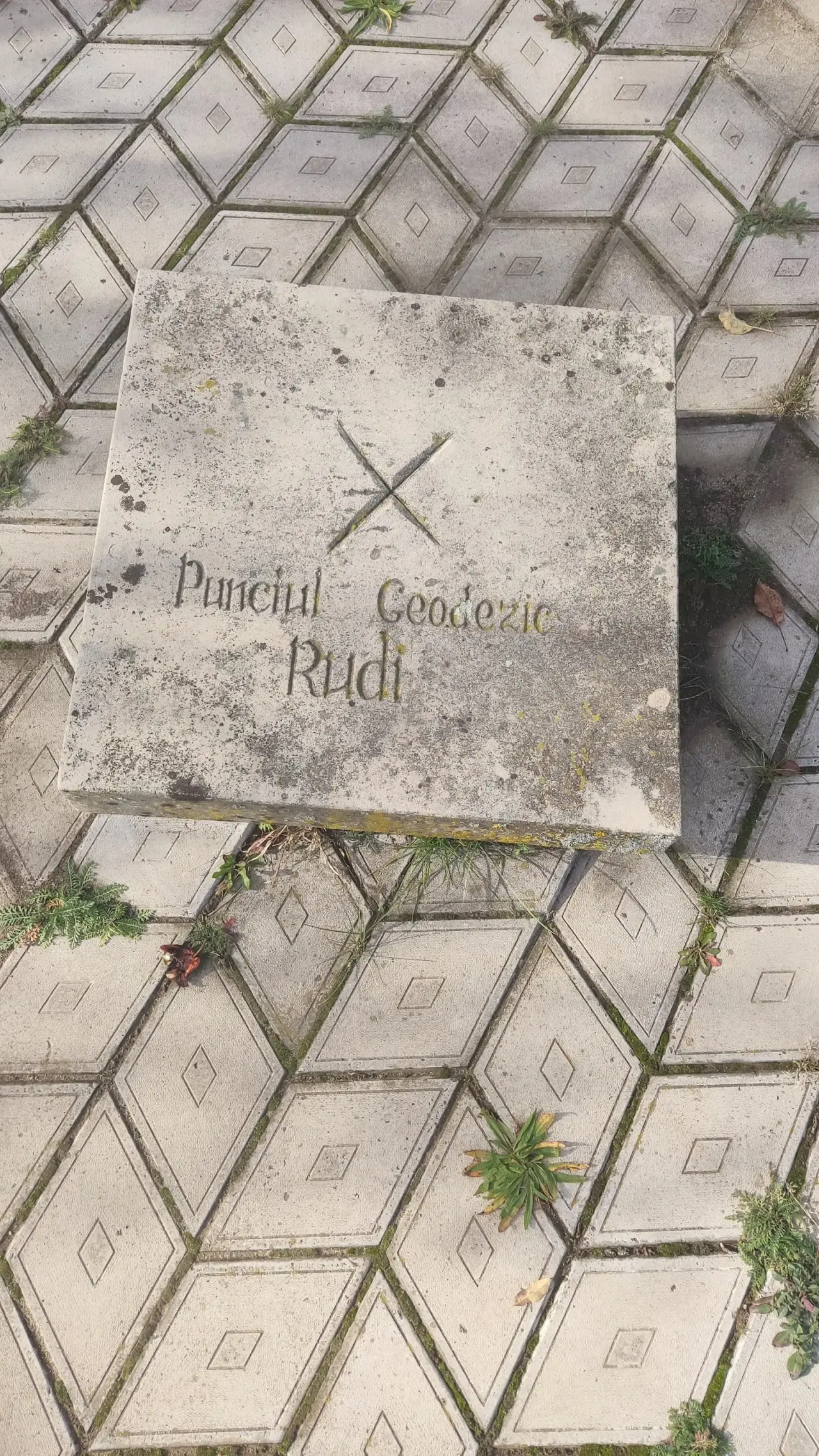
It is the only UNESCO site of this category on Moldovan territory, which makes it important on paper — and, at the same time, the easiest to miss on the ground. A visitor who arrives expecting a spectacular monument will be disappointed. One who understands what they are looking at — a physical marker from a survey that crossed the continent — leaves satisfied.
What you actually find there
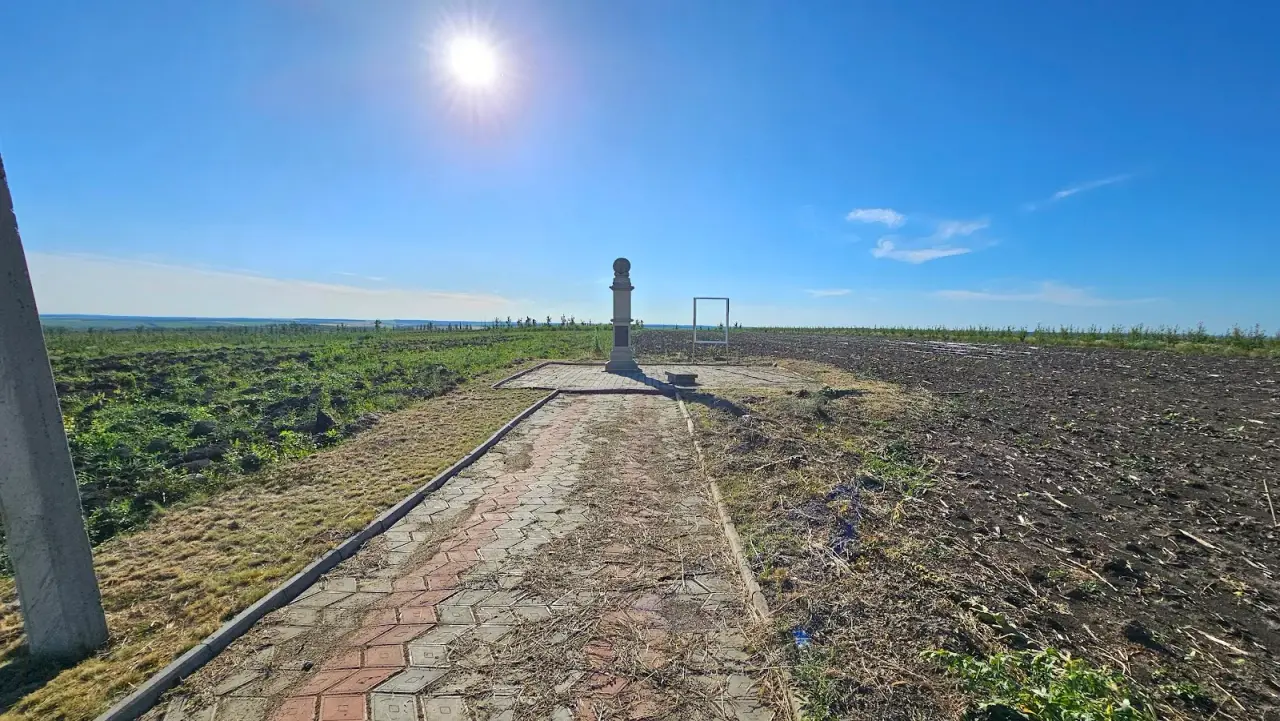
A marked point, in an open landscape in the north of the country. Access is free, there is no fee, there are no opening hours: the public listing indicates permanent access, 24 hours a day, every day of the week. There is no ticket office, no guide on site and no visitor centre.
That also means there is no infrastructure: no toilets, no information point, no shop. Come with water, with enough fuel and with the route saved offline — mobile network coverage in the rural areas of the north is uneven.
Getting there and when
The point lies in the north of the Republic of Moldova, in the Rudi area, north of Soroca. In practice, nobody drives hundreds of kilometres solely for a geodetic point — nor is there any need to. The combination that works is with Cetatea Soroca, on the same northern route: the fortress takes the morning, the Struve point is added along the way.
The last kilometres are frequently on secondary roads, and their condition varies after rain. A car with normal ground clearance gets through in dry conditions; after serious rain, check the route before committing to a country road. The warm, dry season is, for this reason, more comfortable than early spring or late autumn.
Why the stop is worth it
There is a type of visitor for whom sites of this kind are the best of the whole itinerary: no queues, no tickets, no closing time. The surrounding area, towards the Dniester, has some of the finest riverbank landscapes in the country, and the stop links naturally with the rest of the sites described in the nature section.
As regards its place among the country's built sites, the Struve point appears alongside the fortresses and manor houses on the heritage page. For complete northern routes, day by day, see our guides, and the exact location relative to the other stops can be found on the map.
In short, for planning
Allow 20–30 minutes for the stop itself. Do not put it at the end of the day, when the light is fading — on the secondary roads of the north, the drive back in the dark is the unpleasant part of the trip.
Galerie
Pe scurt
Programele și tarifele se schimbă sezonier. Verifică la sursa oficială înainte de a te deplasa.
Where to sleep, eat and taste nearby
Places to stay, eat and taste from our directory, sorted by distance. Every one rates at least 4 stars on Google with over 100 reviews.
 Restaurant35 km
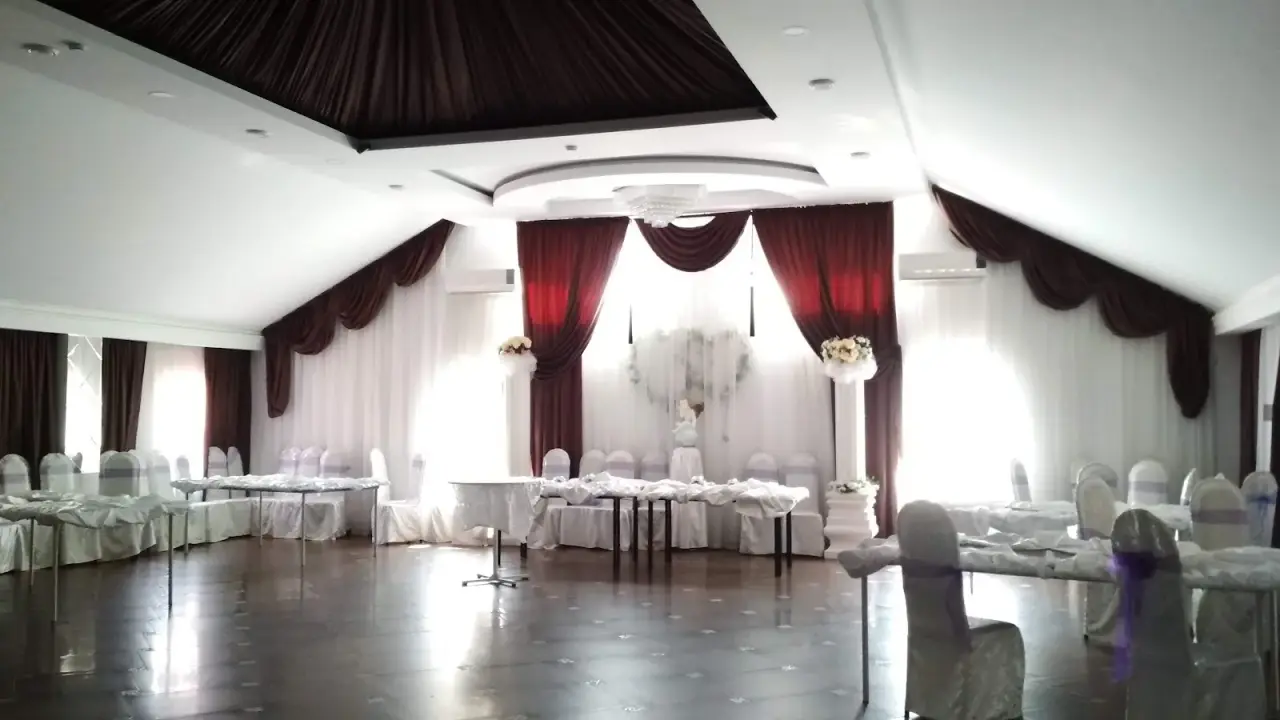
Amour
Amour operates in Soroca, a town where dinner after the visit to the fortress on the bank of the Dniester does not have many alternatives. The hours are unusually long for the provinces: open daily from nine in the morning to eleven at night, with breakfast served. The terrace catches the warm season, and the dining room takes groups and accepts bookings — useful if you arrive by coach or with a large family. Prices sit in the mid range. Parking is on the street, free. Dogs are not admitted.
See details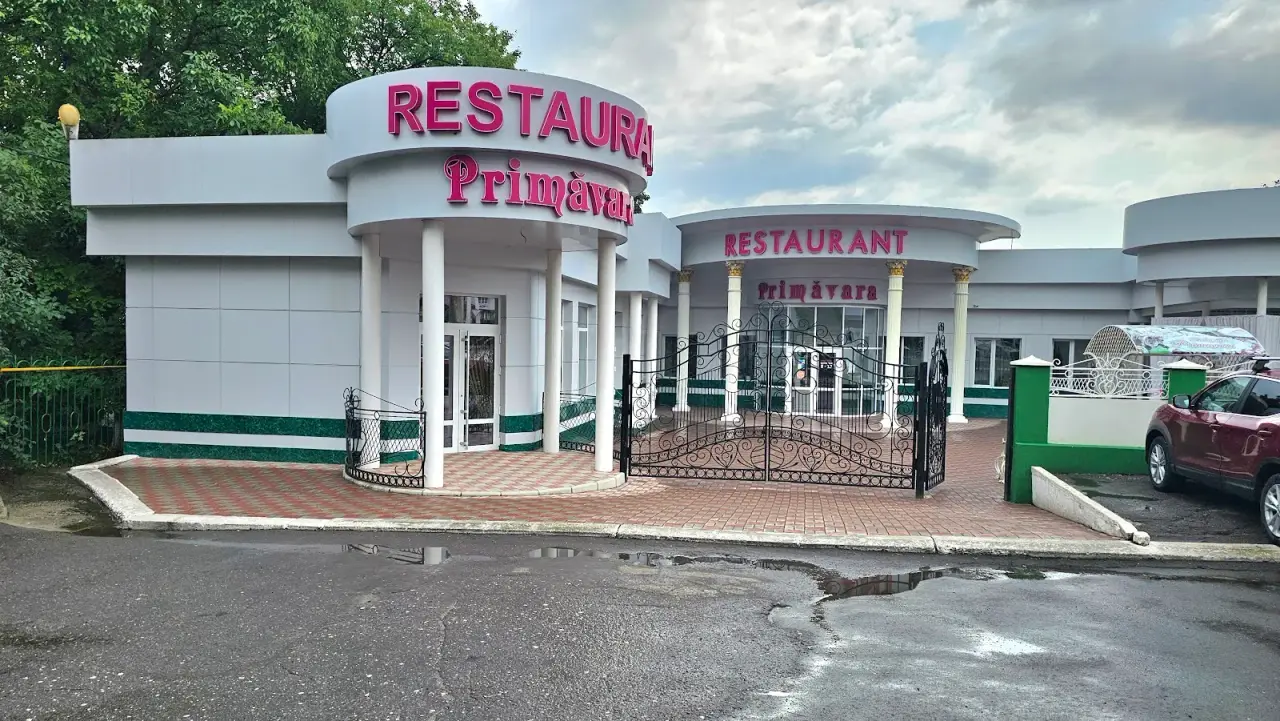 Restaurant36 km
Primăvara
In Soroca, the town of the fortress on the Dniester and of Dealul Țiganilor — two of the most photographed sights in the north of the country. The restaurant opens only at midday, but runs until two at night, every day. That makes it an evening venue par excellence: once you have finished the visit to the fortress, it is one of the few options in town that stay open late. Terrace, bookings accepted, breakfast served, space for groups and families with children. Wheelchair-accessible entrance and places, free parking. Prices in the mid range.
See details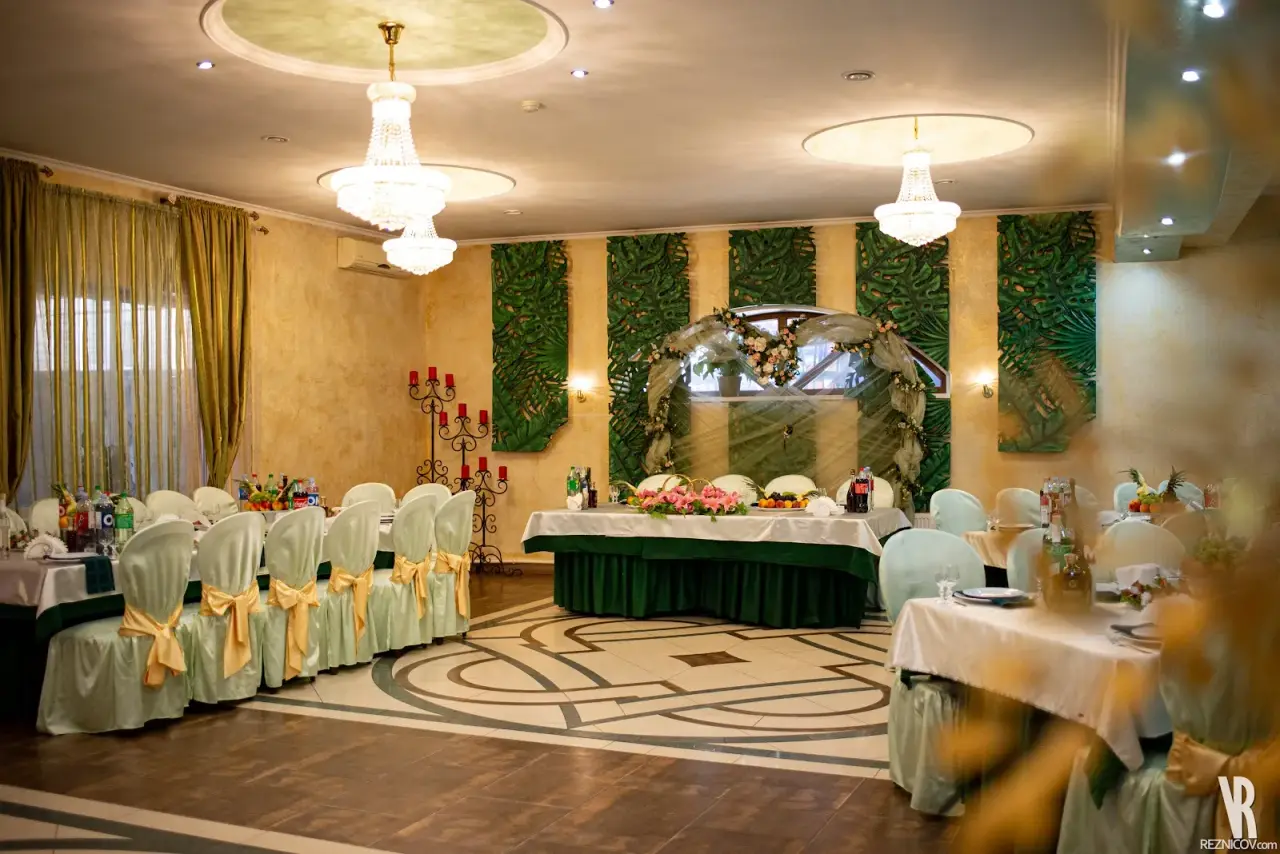 Restaurant36 km
Briz
Briz is a restaurant in Soroca, a town on the bank of the Dniester whose fortress brings in most of the north's visitors. The hours are the same all week, from ten in the morning to eleven at night, and include breakfast — which makes it useful as the first stop of the day, not only for dinner. The terrace runs in season, the dining room takes children and groups, and bookings are accepted. The price level is mid-range. Wheelchair access is not provided, either at the entrance or at the parking, and dogs are not admitted.
See details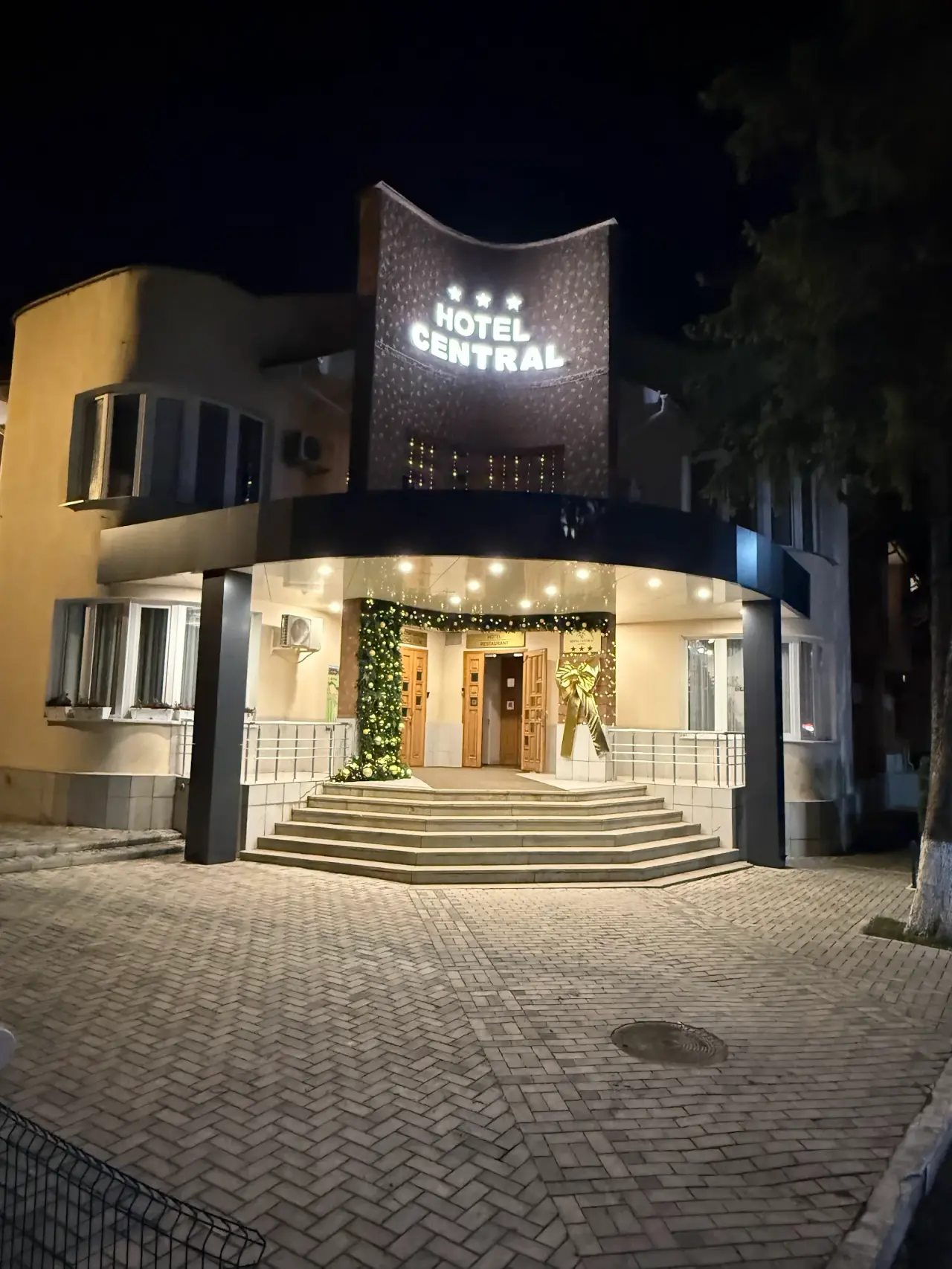 Stay36 km
Hotel Central Soroca
The hotel stands right in the centre of Soroca, on Mihai Kogălniceanu street, a few minutes' walk from Soroca Fortress and the bank of the Dniester. For anyone heading north along the fortress route, it is one of the few genuinely central options in town. Beyond the rooms, the building houses a restaurant with a bar and a relaxation area with a sauna, a bath and a pool, plus an events hall. Families are welcomed without reservation, which counts if you are making the trip with children. Useful as a base for a night or two, enough to take in the fortress, the Candle of Gratitude and the Roma village on the hill.
See details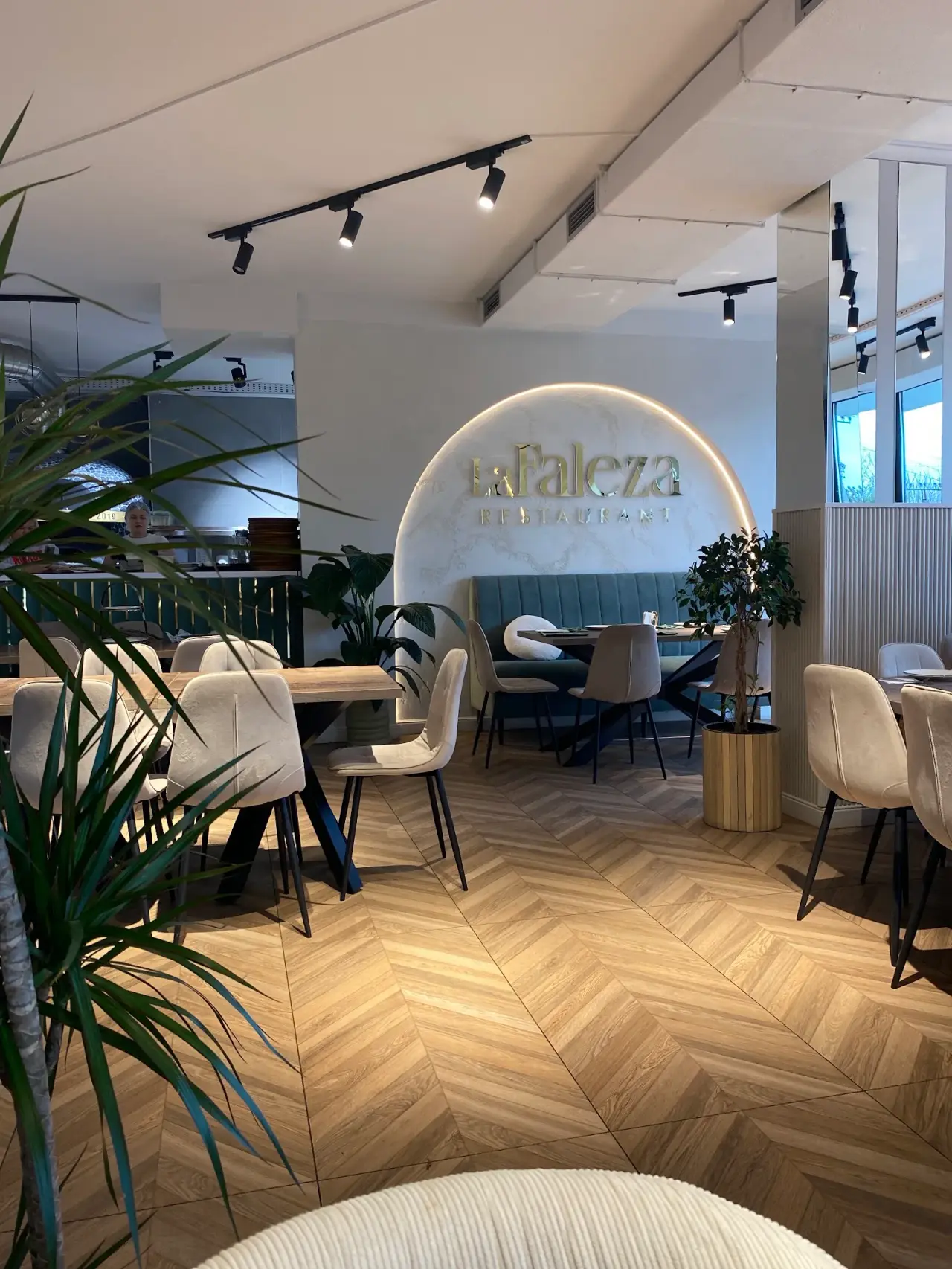 Restaurant36 km
La Faleza
La Faleza is on strada Bogdan Petriceicu Hașdeu, in Soroca, a town that draws its visitors from the medieval fortress on the bank of the Dniester. The hours are daily, from ten in the morning to ten at night, with a single exception: on Monday it opens only at midday. It is, in practice, an address for lunch and dinner, not for breakfast. It takes children and groups and accepts bookings, which counts in a town visited often by coach parties. Parking, in the courtyard or on the street, is free. Pets are not admitted.
See details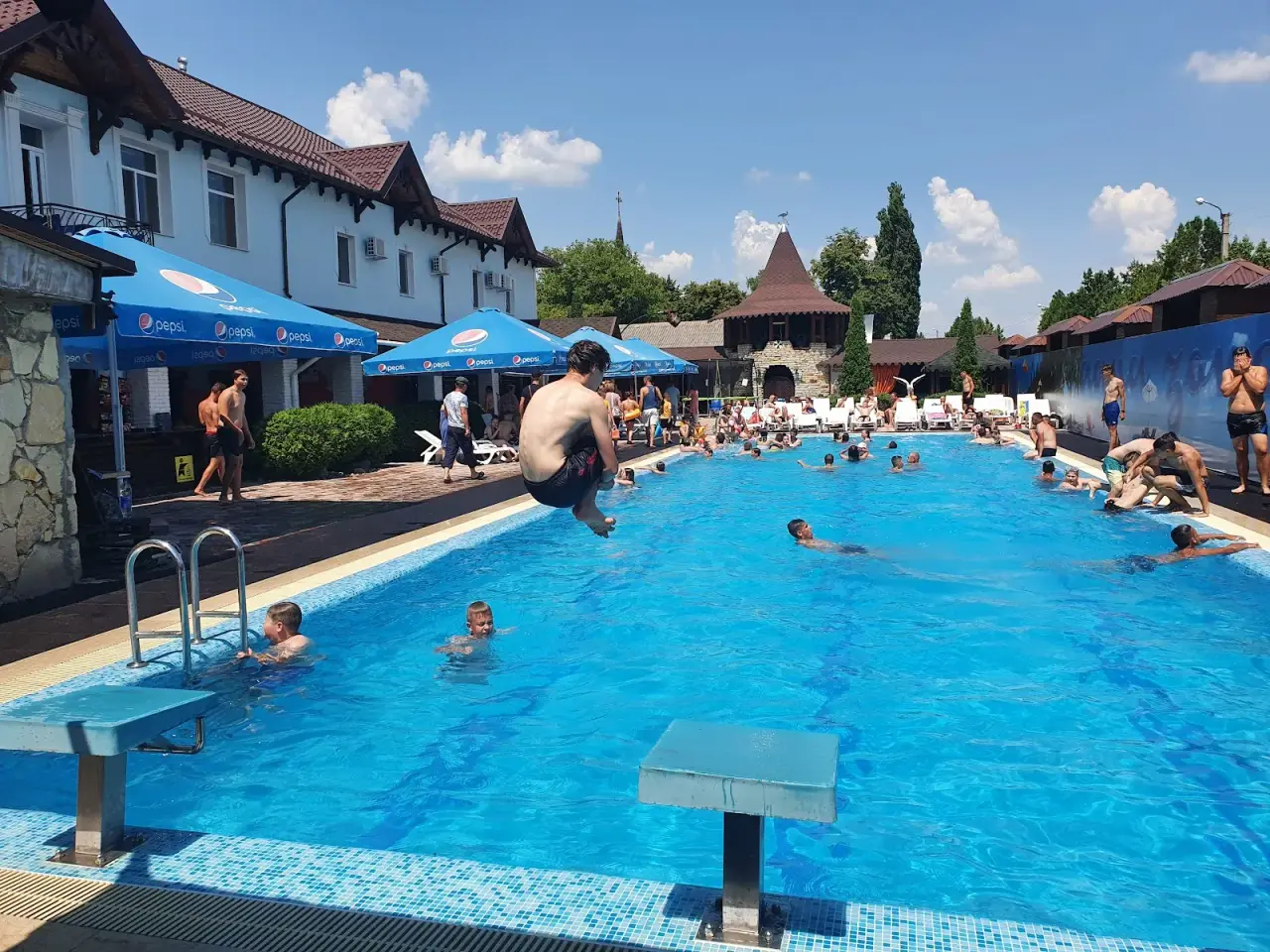 Stay37 km
Hotel Europa
Hotel Europa is on Vasile Alecsandri street, in Soroca, a short distance from the town's administrative centre and from the road running down to the fortress and the Dniester. Among the properties in town, it is one of the few with wheelchair-access arrangements: both the entrance and the parking space are adapted. Children are welcome, which recommends it for a family stop. Soroca deserves more than one night if you want to take in both the fortress and the route to the Dniester monasteries — the hotel works well as a fixed point for two days.
See detailsCazare lângă Arcul Geodezic Struve
Hoteluri și pensiuni din apropiere, cu prețuri comparate între Booking, Airbnb și alte platforme.
Map provided by Stay22. Bookings are completed on the partner platforms.
Frequently asked questions
Întrebări despre Arcul Geodezic Struve
What is the Struve Geodetic Arc, in fact?
It is a network of triangulation points marked on the ground, extending across the territory of several countries and inscribed as an ensemble on the UNESCO World Heritage list. In the Republic of Moldova there are marked points, one of them in the Rudi area.
Is there an entrance fee or opening hours?
No. Access is free and permanent, with no fee and no visiting hours. There is no ticket office, no guide on site and no visitor centre.
Is it worth a separate trip?
Rarely. It works best as a stop on a northern route that includes Soroca and the Dniester bank, where it adds 20–30 minutes to an already planned programme.
What should I take with me?
Water, enough fuel and the route saved offline, since mobile network coverage in the rural areas of the north is uneven. The last kilometres are on secondary roads, which become difficult after rain.
See it on the ground
Monasteries
Cave hermitages along the Dniester and princely foundations in the Codru forest.
SeeReady-made itineraries
Day-by-day routes, with real driving distances and the route opening straight into Google Maps.
SeeWhere to stay
Real hotels and guesthouses, with prices compared on the map across Booking, Airbnb and other platforms.
SeeVezi-le pe teren
Cetăți, mănăstiri și peisaje — combinate în trasee cu distanțe reale și navigație.