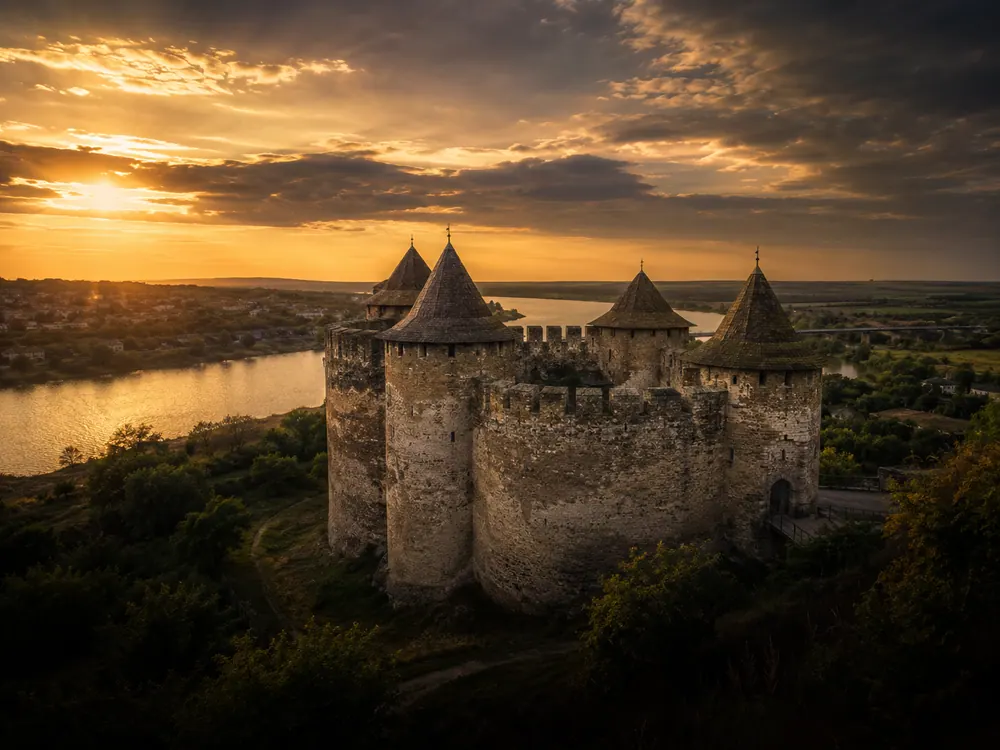
Heritage
From the country’s only UNESCO site to medieval fortresses, noble manor houses and living traditions — the built and unwritten inheritance of the Republic of Moldova, gathered together.
UNESCO World Heritage Site
Moldova has a single entry on the UNESCO World Heritage list.
Fortresses
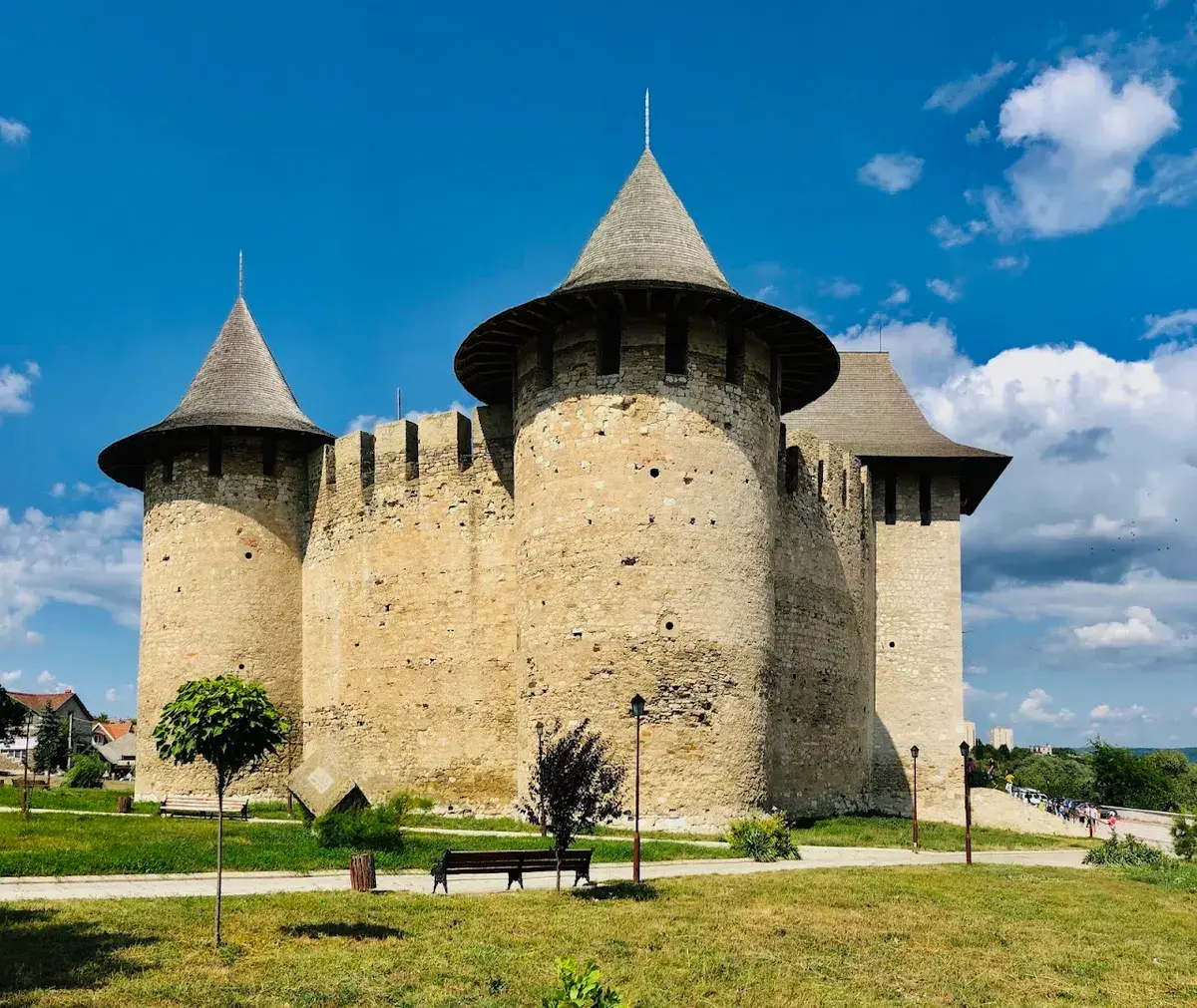
Soroca fortress
16th c. · on the DniesterOne of the best-preserved medieval strongholds in the region. Its present circular form, with five towers, dates from the reign of Petru Rareș, son of Ștefan cel Mare.
See details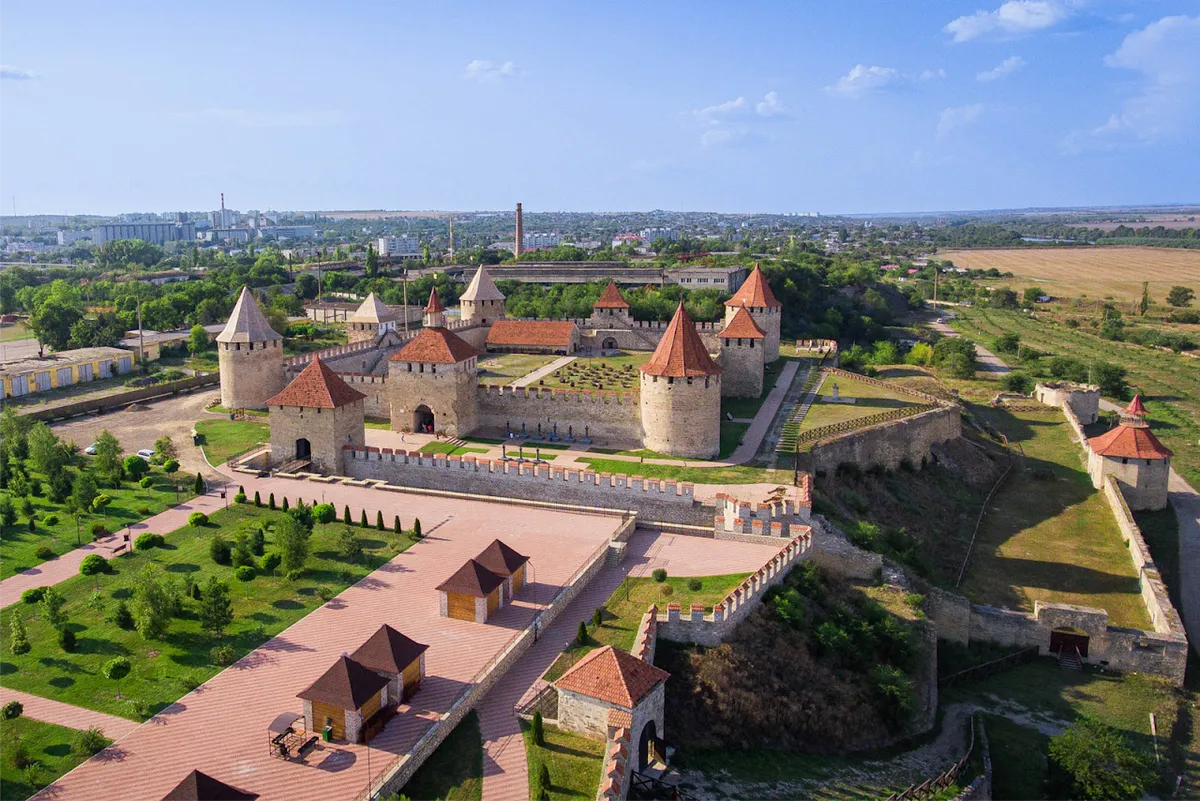
Tighina fortress (Bender)
on the bank of the DniesterA stone fortress raised in the Ottoman period on the site of an earlier fortification, on the right bank of the Dniester, in the town of Bender.
See details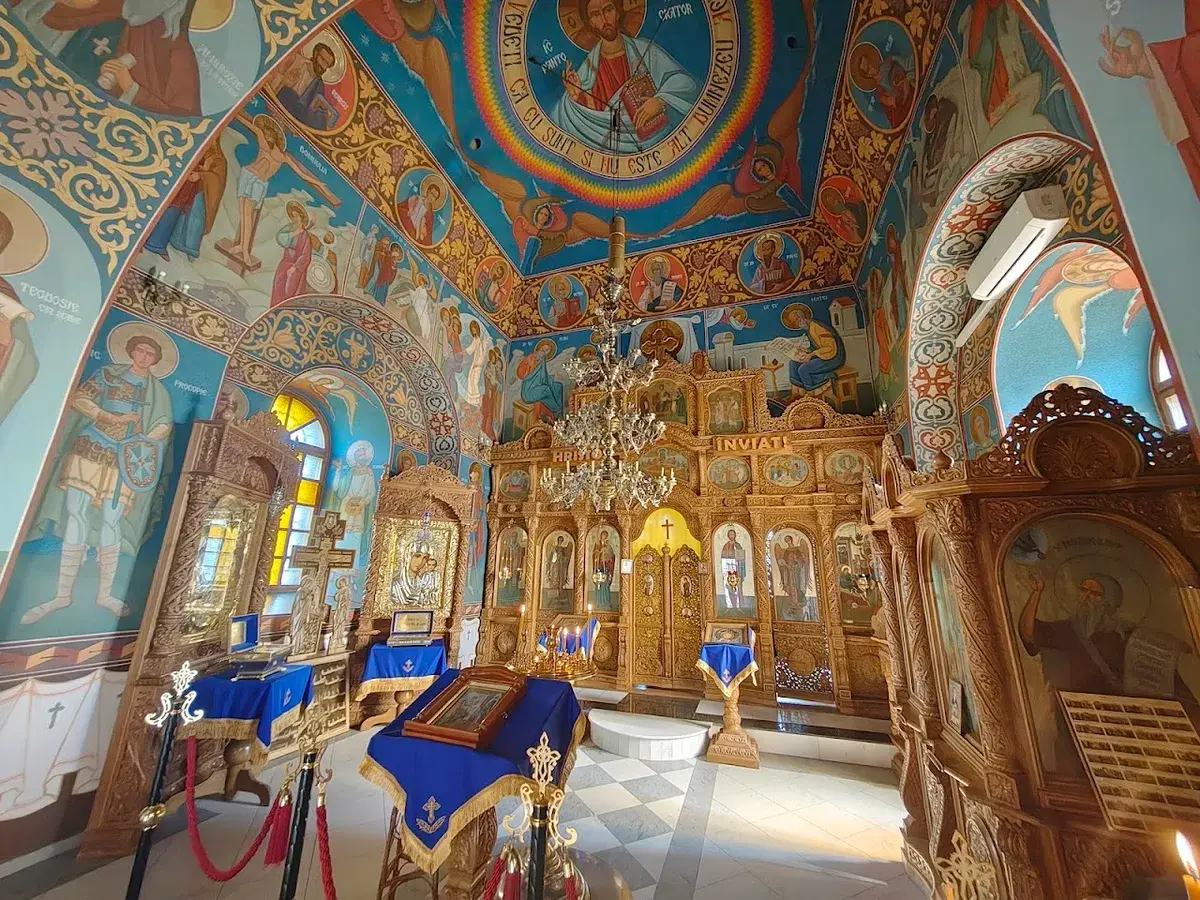
Orheiul Vechi
on the UNESCO tentative listAn archaeological and natural landscape on a bend of the Răut, with a cave monastery and traces of settlement from several periods. A candidate for the World Heritage list.
See detailsManor houses and castles
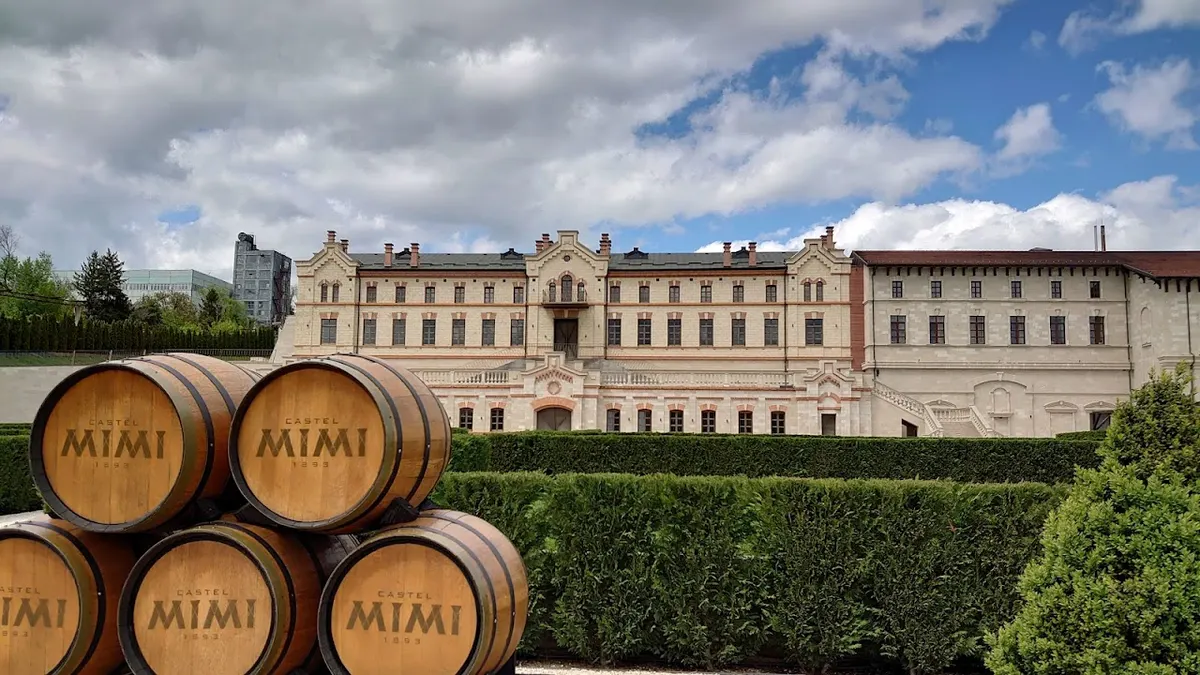
Castel Mimi
Bulboaca · 1893The residence built by Constantin Mimi, the last governor of Bessarabia, now an estate with a winery, a restaurant and gardens — one of the most photographed buildings in the country.
See details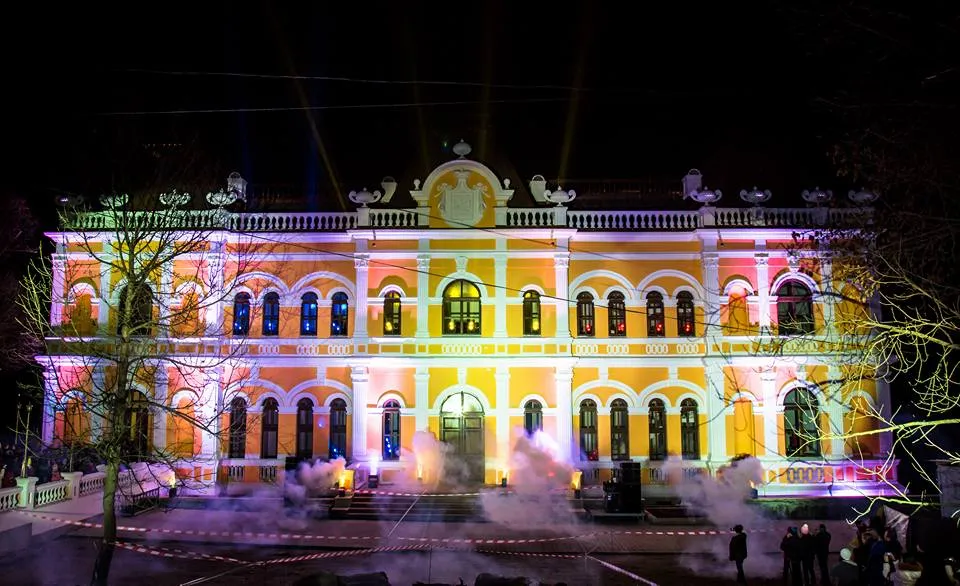
The Manuc Bei manor
HînceștiA nineteenth-century noble estate built by the family of the merchant Manuc Bei, restored and open to visitors.
See detailsReligious heritage
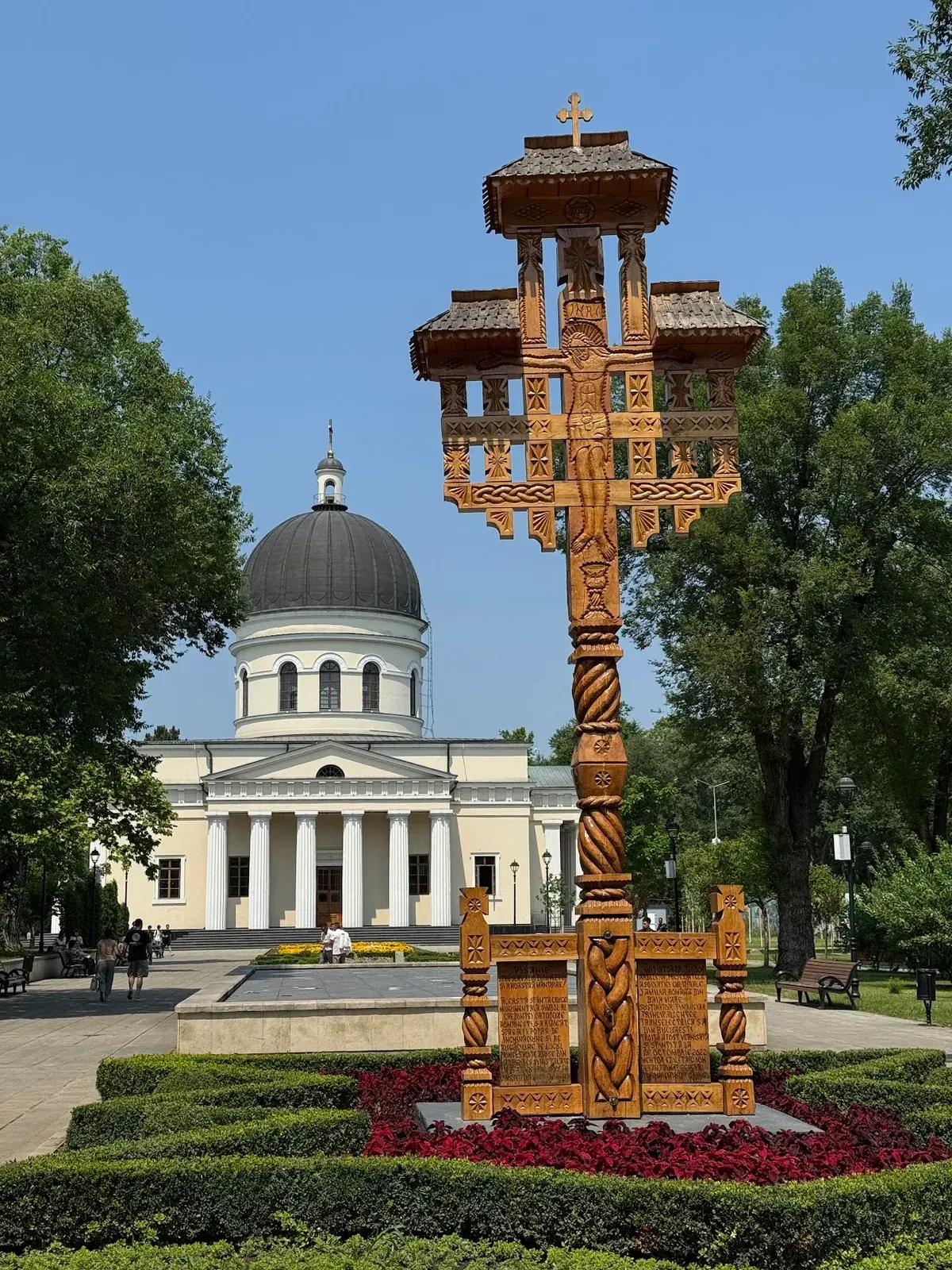
The Nativity Cathedral
Chișinău · 19th c.The metropolitan cathedral in the centre of the capital, with its bell tower, a symbol of the city.
See details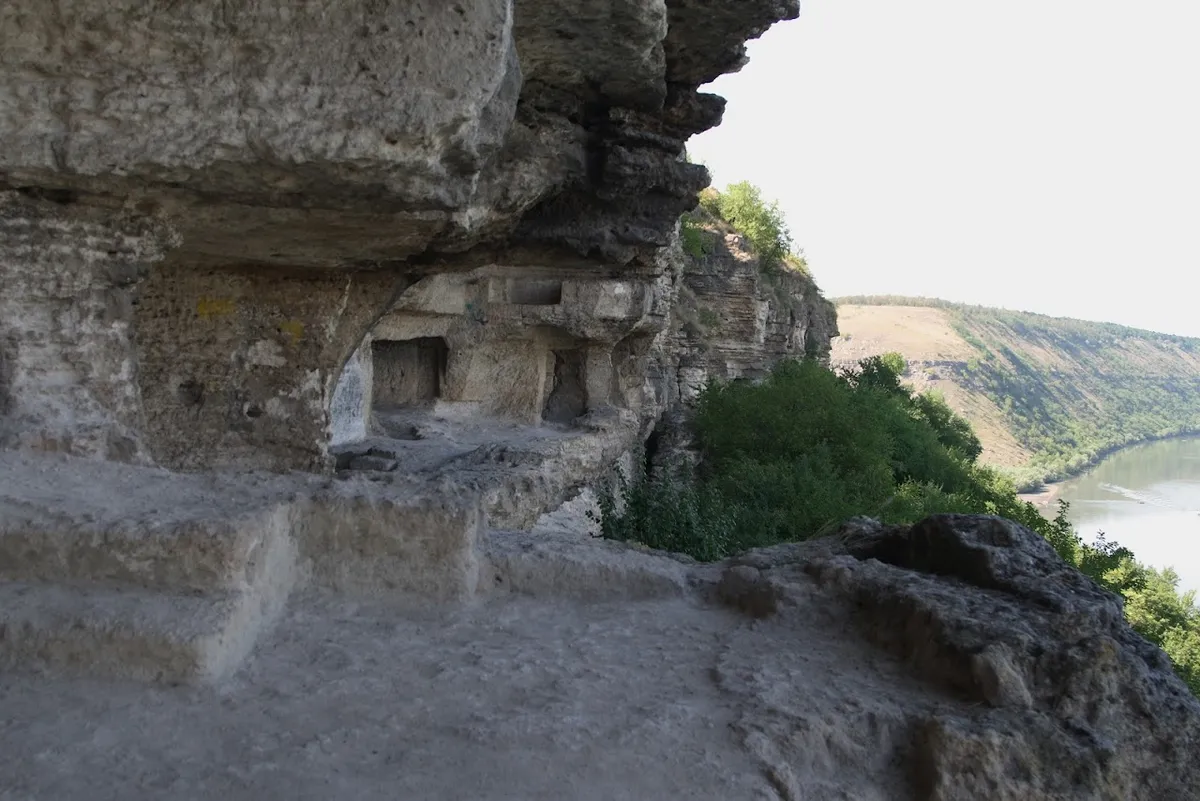
The cave monasteries on the Dniester
Țipova, SaharnaHermitages cut straight into the rock above the Dniester. Țipova holds the oldest cave hermitage in Eastern Europe.
See details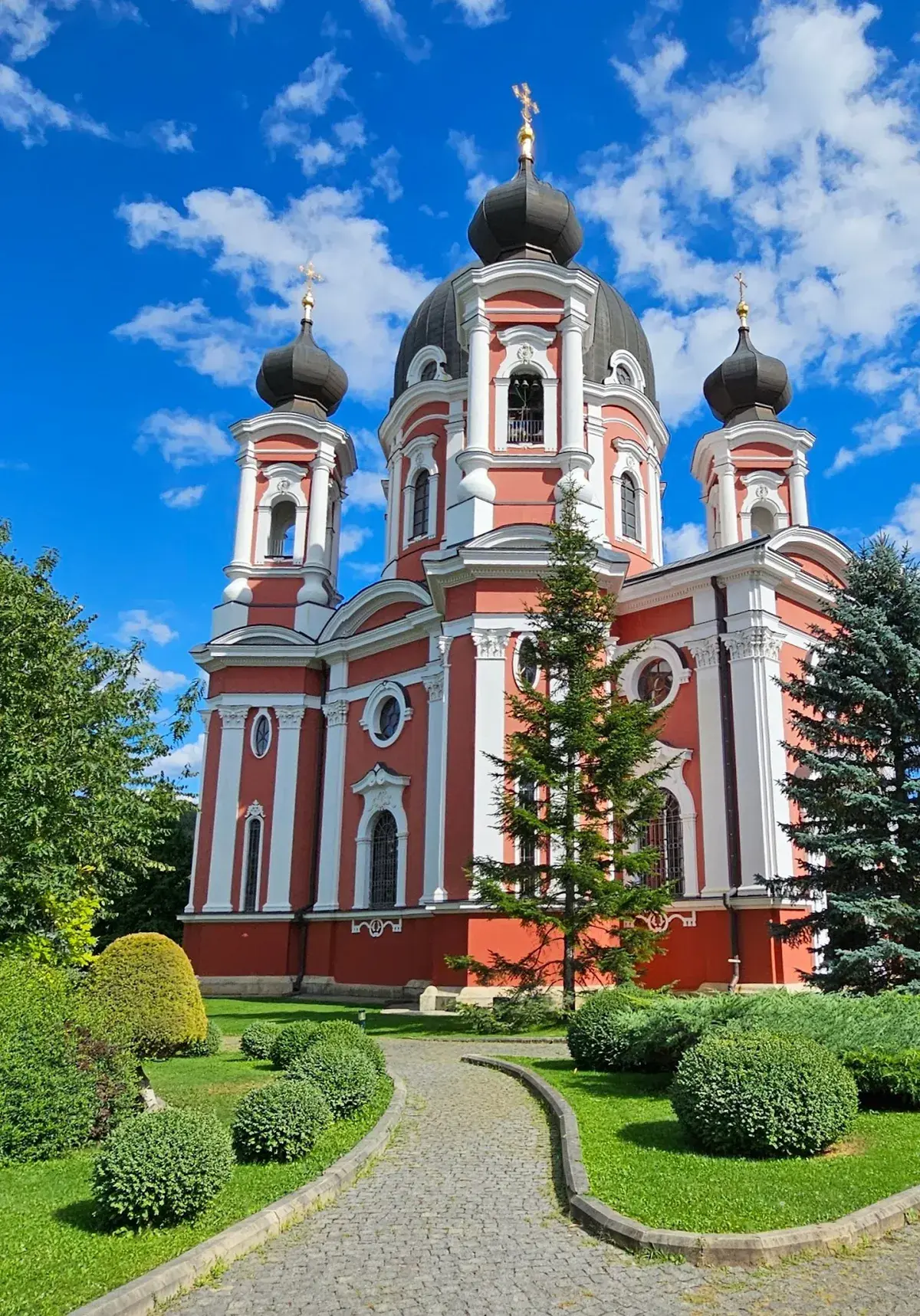
Curchi monastery
Orhei district · 18th c.The largest monastic complex in the country, nicknamed the „Jerusalem of Moldova", and strikingly restored.
See detailsUNESCO intangible heritage
Living traditions on the UNESCO intangible cultural heritage list, several of them jointly with Romania.
Men’s group carolling
2013The winter carolling custom, recognised jointly with Romania.
The craft of the scoarță
2016The hand-woven wall carpet, with geometric and floral motifs, recognised jointly with Romania.
Mărțișor
2017The 1 March custom of red-and-white tokens, recognised alongside several countries in the region.
See detailsThe altiță-embroidered shirt
2022The traditional blouse embroidered at the shoulder, recognised jointly with Romania.
Where to stay in Moldova — compare and book
Hotels, apartments and guesthouses on one map, with prices compared across Booking, Airbnb and other platforms.
Map provided by Stay22. Bookings are completed on the partner platforms.
Frequently asked questions
Questions about Moldova’s heritage
How many UNESCO sites does Moldova have?
One on the World Heritage list: the Struve Geodetic Arc, inscribed in 2005, with a station near the village of Rudi. Orheiul Vechi is on the tentative list.
Which is the best-known fortress in Moldova?
Soroca fortress, on the bank of the Dniester, one of the best-preserved medieval strongholds in the region.
Which manor houses can be visited?
Castel Mimi at Bulboaca and the Manuc Bei manor at Hîncești, both restored and open to the public.
Which Moldovan traditions are recognised by UNESCO?
Men’s group carolling, the craft of wall-carpet weaving, Mărțișor and the altiță-embroidered shirt — all on the intangible heritage list, several of them jointly with Romania.
See it on the ground
Monasteries
Cave hermitages along the Dniester and princely foundations in the Codru forest.
SeeReady-made itineraries
Day-by-day routes, with real driving distances and the route opening straight into Google Maps.
SeeWhere to stay
Real hotels and guesthouses, with prices compared on the map across Booking, Airbnb and other platforms.
SeeExplore Moldova’s inheritance
From cave monasteries to fortresses on the Dniester — places that tell the country’s story.